When Communities Step Up: Protecting the South Sudan Border
Over the past several months, the humanitarian landscape in East Africa has changed dramatically. Significant reductions in international assistance, including cuts to USAID funding, have left many organizations with fewer resources to respond to emerging public health threats. This includes the current Ebola outbreak in Uganda and the DRC.
Although South Sudan has not experienced an Ebola outbreak, neighboring Uganda recently confirmed 19 Ebola cases. While those cases occurred hundreds of miles away near the Democratic Republic of Congo border, our team recognized that Nimule, South Sudan’s busiest border crossing with Uganda, remained vulnerable. Every day, thousands of travelers, traders, and truck drivers pass through this gateway, making preparedness essential.
Thanks to the generosity of our donors, DROP was able to act quickly.
Rather than waiting for a crisis to arrive, we partnered with local health authorities to strengthen preparedness and support frontline health workers. One of our longtime supporters visited Nimule Hospital earlier this year and was struck by the dedication of the staff despite their limited resources. After returning home, they asked a simple question: “What do they need?”
The answer was immediate.
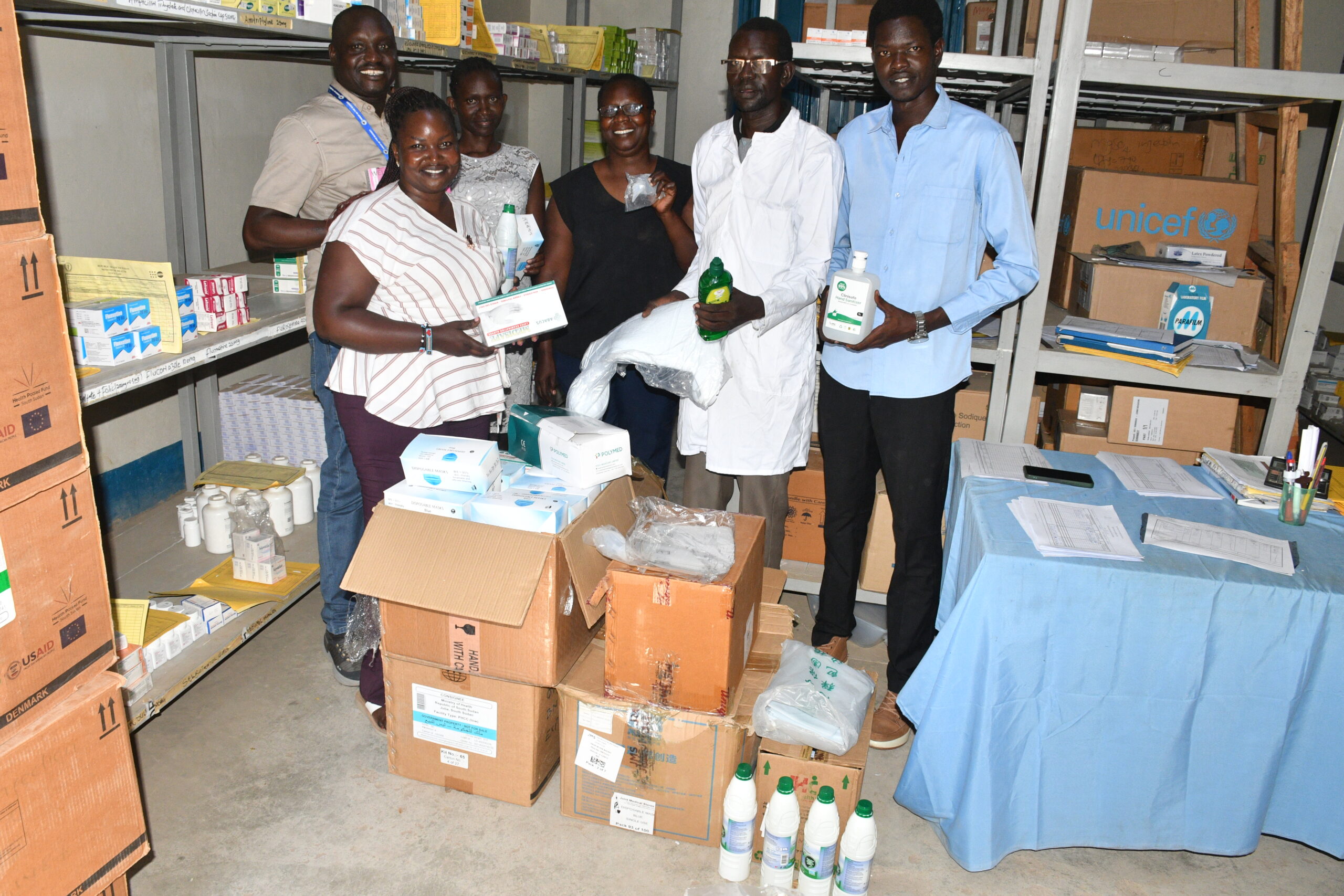
With donor support, we provided personal protective equipment (PPE) to help equip healthcare workers at Nimule Hospital, ensuring they had the supplies needed to safely care for patients while protecting themselves.
Responding to the Ebola crisis
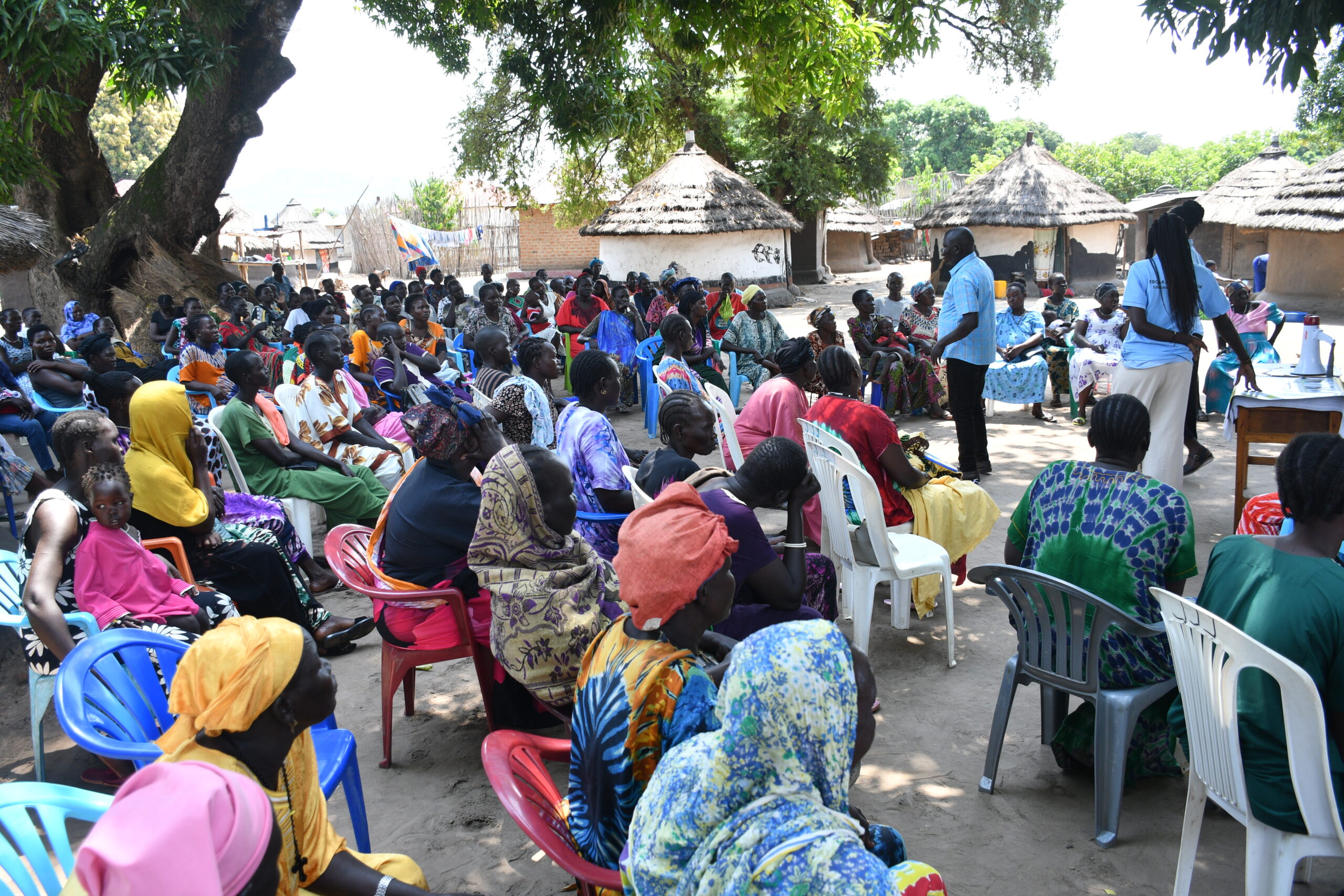
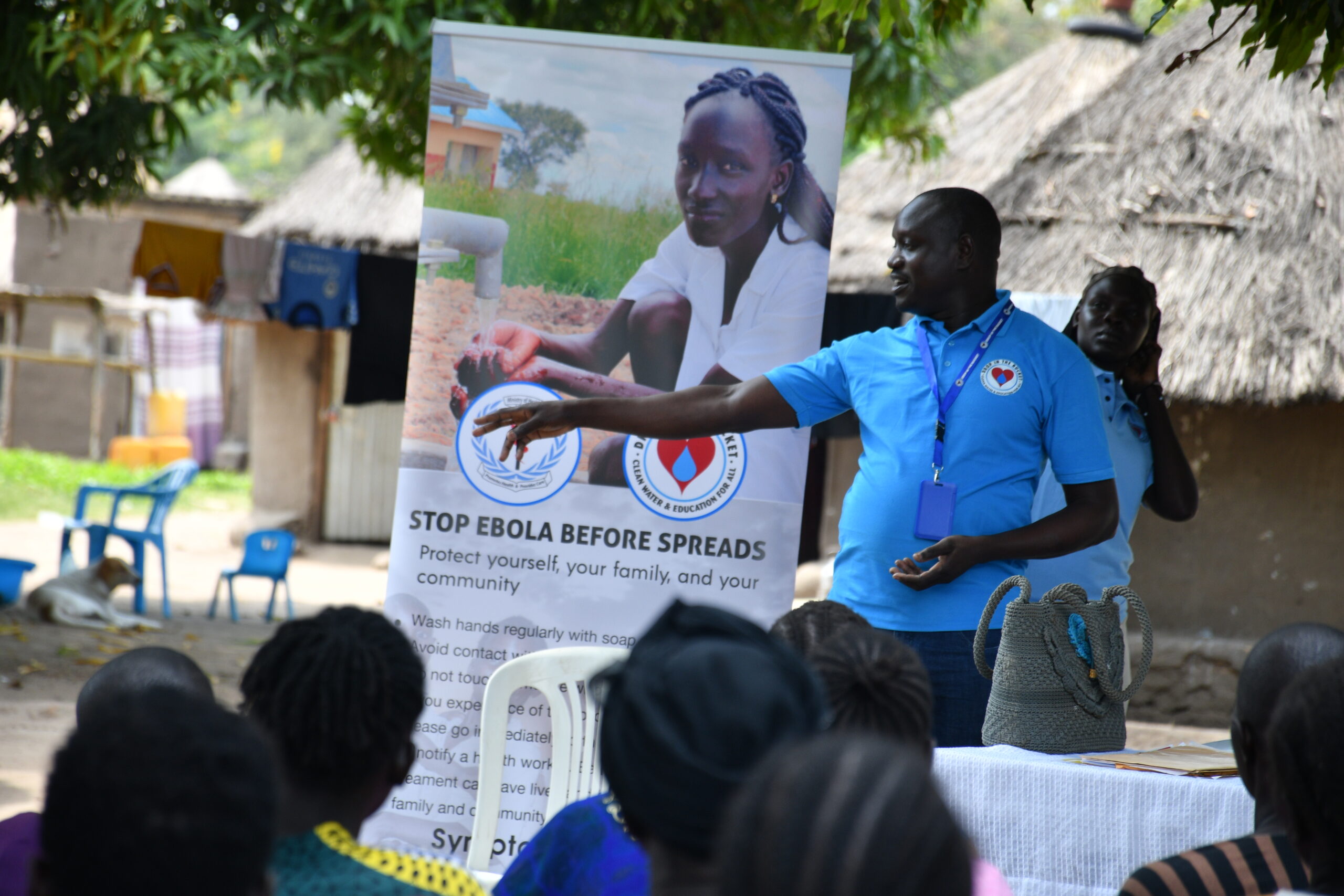
At the same time, our team expanded community education efforts throughout Nimule and surrounding villages. Working alongside local leaders and health officials, we organized public awareness meetings focused on Ebola prevention, cholera prevention, hygiene, safe water practices, and recognizing the early warning signs of disease.
One of these meetings brought together 404 community members, along with four international truck drivers traveling through the border crossing, all eager to learn how they could protect themselves, their families, and their communities. Their participation was a powerful reminder that preventing disease begins with information, trust, and community engagement.
As cholera cases continue to affect parts of the region, these education efforts have become even more important. By promoting handwashing, sanitation, safe water practices, and early treatment, communities are better equipped to reduce the spread of preventable diseases before outbreaks can grow.
DROP has always been, first and foremost, a development organization. Our mission is building sustainable access to clean water, education, and healthier communities. But when local partners ask for help, and when our donors make that help possible, we are proud to stand alongside hospitals, health workers, and community leaders to strengthen local preparedness and protect vulnerable families.
This response was possible because of you.
Thank you for helping us remain flexible, responsive, and committed to the communities we serve. Together, we are proving that even as global funding shifts, strong local partnerships and compassionate supporters can make an extraordinary difference.
Stay Up-To-Date with Drop in the Bucket:
