
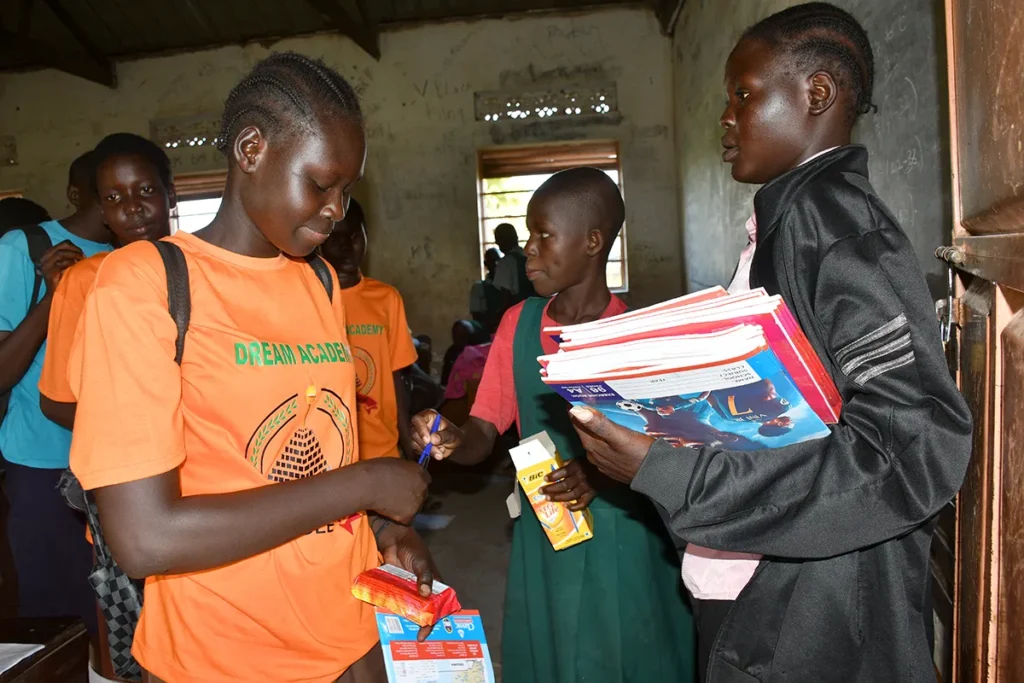
At the end of each school day in Nimule, more than 1,600 schoolgirls don’t go home. They stay for two additional hours to participate in an afternoon program called Safe Spaces.
Safe Spaces are after-school programs for girls in 5th through 8th grade, the years when we have seen many girls begin to leave school. Some are struggling academically. Some families can no longer manage the cost of school. Others are forced into marriage in a culture where bride price can be an important source of family income. Some girls are needed at home to take care of younger children and manage domestic work. And after decades of political instability and war, many families are left with one parent, no parent, or children being raised by older siblings. There isn’t one reason girls drop out, which means there isn’t one solution for keeping them in school.
The stakes are enormous. South Sudan has one of the lowest literacy rates in the world, and only about 29% of women in the country are literate. There are also an estimated 2.8 million school-age children who are out of school. For girls growing up in a country where so many women have never had the opportunity to complete their education, every additional year a girl stays in school matters. That is really what Safe Spaces are trying to do. They are not just an after-school activity. They are one more way to keep a girl connected to school during the years when we know she is most at risk of leaving.
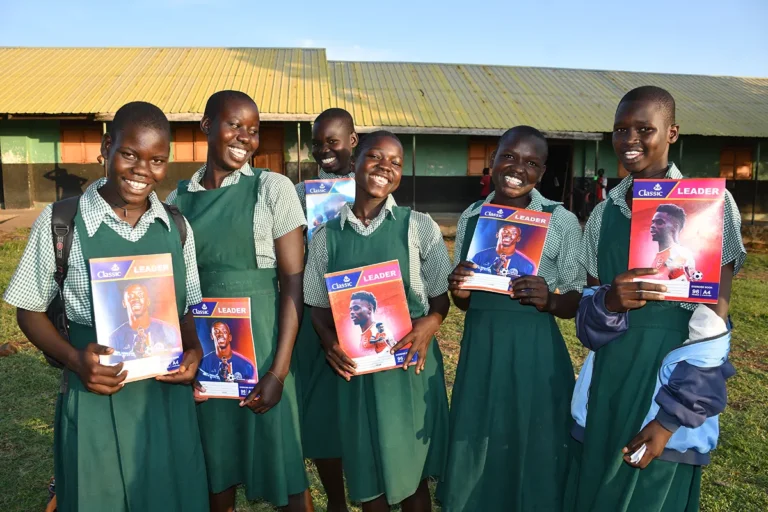
Each Safe Space group has mentors who get to know the girls over time. The mentors are all graduates of the DROP scholarship program themselves, which I think is one of the best parts of the whole program. They grew up in these communities, went through the same schools and understand the pressures the girls are facing in a way someone coming from outside simply never could. A girl having trouble in school is talking to someone who can quite literally say, “I was where you are.”
Along with the mentors, there are facilitators who bring something different. They are teachers, nurses and other professionals from the community who work alongside the mentors to support the girls, including with academic coaching. South Sudan’s economic situation has made life extremely difficult for many working people, including teachers who are often underpaid and can go for long periods without being paid at all. Civil servants can wait months for their salaries, and with the country’s hyperinflation, even when they are paid, their salaries often aren’t enough to feed their families. The Safe Space program gives these community members some additional income for the hours they work with us, while also giving them a way to contribute to their communities by helping girls stay in school.
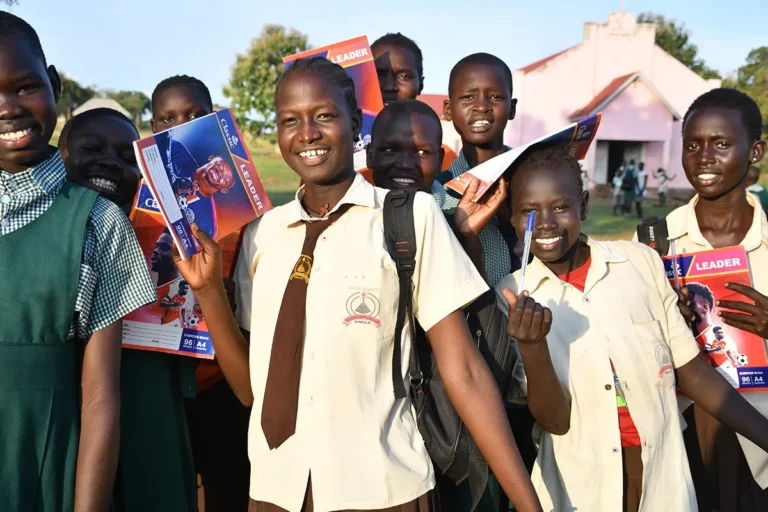
Everyone is clear about the goal: keep these girls from dropping out. If a girl starts missing sessions, people notice. If her grades begin falling, we can see it. If the problem is at home, our team can work with parents, chiefs, teachers and other community members to understand what is happening. Parent meetings and community discussions are a regular part of the program because keeping a girl in school often requires more than working with the girl herself.
There is another incentive too. The girls attending Safe Spaces know that the secondary school scholarships DROP provides are awarded to students from these same primary schools. Safe Spaces are not a guarantee of a scholarship, and there are far more girls participating than scholarships available, but the additional academic support gives girls a better chance to perform well and be competitive when they eventually reach 8th grade.
And then there are the snacks.
DROP is all about trying unconventional approaches when necessary, and early on we felt that the girls would be hungry after a long day at school and might not have enough food when they returned home. In some households, girls may also be fed less than other family members. So every girl who attends Safe Spaces receives a small packet of cookies. It’s a simple thing and, with more than 1,500 girls, not an inexpensive one. I can’t tell you exactly how much those cookies affect attendance because we’ve never studied it. But in a community where families are struggling financially and food isn’t something we take for granted, the DROP team feels they might be part of the attraction. The social part probably doesn’t hurt either. All the girls from the schools attend, so they see their friends there, they have fun and they want to come back.
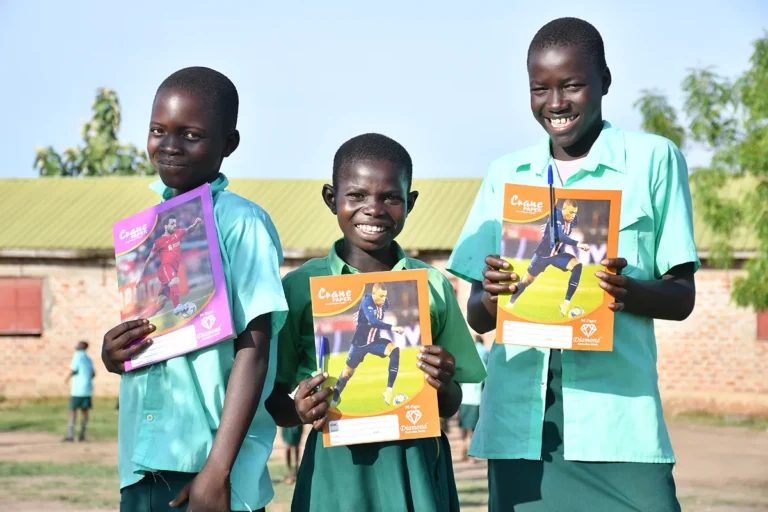
Whatever the reason, the program has exploded. Since we began in 2024, the Safe Space centers have been overflowing. We have had to divide the centers into groups based on student needs, opened new centers, and now have 10 centers with 36 mentors and facilitators.
Safe Spaces are a place to strengthen academic performance, learn life skills and understand personal health, but the girls also laugh, play games and make friends. One of the handwritten pieces our team collected recently was from a girl writing an invitation to a fictional birthday party. She wrote about cake, fruit, food and decorations and how much fun everyone would have. It was just the subject of a writing exercise, and considering the economic situation in South Sudan, I doubt she has ever had a birthday party like the one she imagined. But I loved the way she imagined it.
We spend so much time thinking about the risks these girls face that it’s easy to forget something very basic. They are girls growing up, with all the ordinary interests, challenges, friendships and dreams that come with that. They want to laugh, they want to be with their friends and they want to imagine what their lives might look like. Safe Spaces give them academic support and mentors, but they also give them a place where people know them, notice when something is wrong and want to see them succeed.
The scholarships may come later. For now, we’re trying to support them in whatever way they need. In a culture where girls drop out at a staggering rate after 5th grade, even if a girl never makes it to high school, we are committed to keeping her in class for as long as possible. Because every year she stays in school, she is growing up a little more, learning about herself, figuring out how to navigate the world around her and gaining the basic skills and confidence she needs to have some agency over her own life.
We can’t control where every girl will end up. But wherever she does end up, our goal is for her to enter the world a little more self-assured, with enough basic skills, personal awareness and confidence to have a say in what happens next. That, to me, is what Safe Spaces are really about.
Stacey Travis
Director