
What is the Difference Between a Borehole and a Traditional Well?
At Drop in the Bucket, we specialize in drilling deep borehole wells. Unlike traditional wells, boreholes are professionally constructed water wells that tap into underground aquifers. These aquifers are formed as water slowly seeps through layers of porous rock, creating underground lakes. Boreholes offer a sustainable, long-term solution to the clean water crisis in sub-Saharan Africa, especially in Uganda and South Sudan, where access to safe drinking water can mean the difference between illness and health, or between school and survival.
A borehole is drilled using a heavy-duty drilling rig in combination with an industrial air compressor. Before drilling begins, we conduct a hydrogeological survey to determine the best location—using surface indicators and resistivity testing to identify where underground water is most likely to be found.
In the areas where we work, water is sometimes first encountered at depths as shallow as 20 meters. However, we continue drilling to at least 50–60 meters. Why? Because deeper wells are more sustainable. The added depth ensures the well won’t dry up during the dry season. Deeper boreholes also provide a more reliable and consistent supply of clean water year-round, even when shallower sources fail.
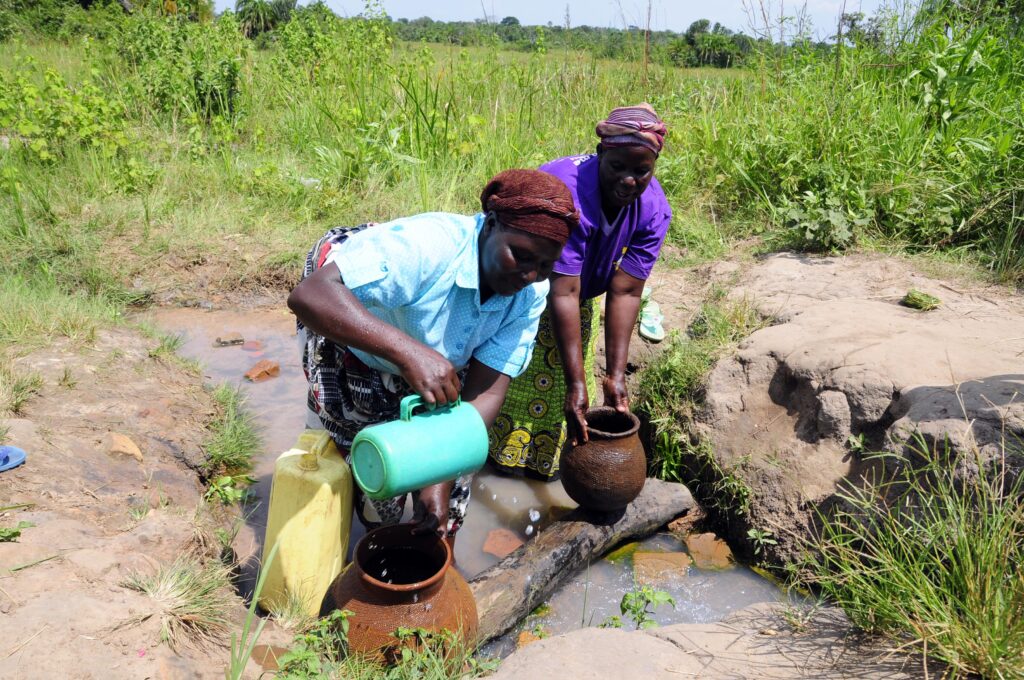
In contrast, a traditional well—also known as a hand-dug well, local well, or natural spring—is typically shallow and dug manually by community members. These wells are usually only a few feet deep, and the location is chosen based on surface clues like vegetation or soil conditions. The water they reach is often groundwater, which is highly susceptible to contamination.
Traditional wells generally fall into two categories: protected and unprotected. A protected well may include a simple concrete or brick structure with a short pipe to help direct the flow of water. While this is a modest improvement, these wells are still vulnerable to contamination from animal waste, human sewage, and agricultural chemicals like fertilizers and pesticides. Unprotected wells—also known as waterholes—pose even greater health risks and are a common source of waterborne diseases such as cholera, dysentery, and typhoid. In many cases, livestock like cows and pigs will stand in the water to drink, contaminating the source with waste and bacteria.
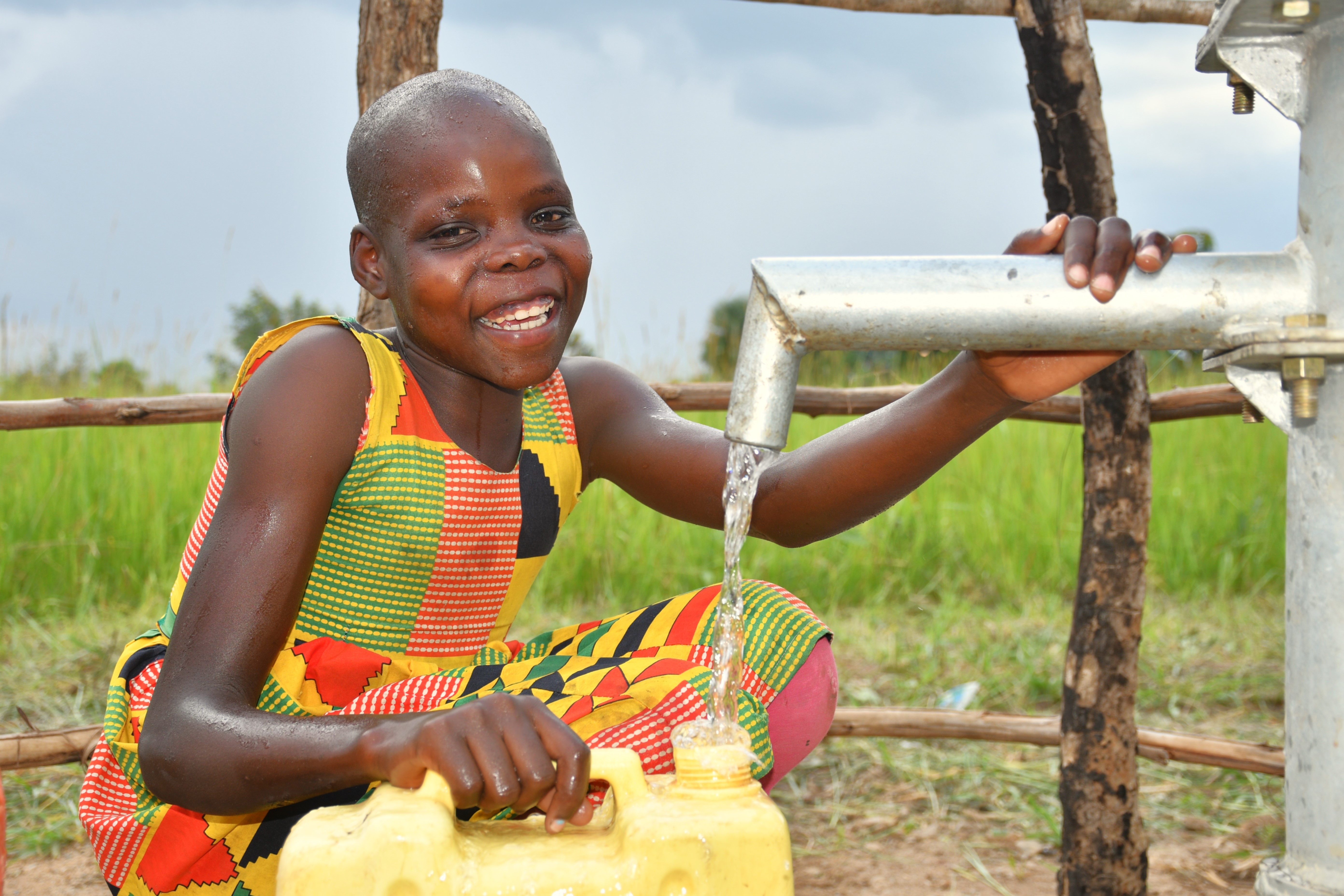
Boreholes are considerably safer because the water is drawn from deep underground, far from surface-level contaminants. As the water filters through layers of rock, it is naturally cleaned, making it much safer to drink. Boreholes access deeper, cleaner aquifer water, are less likely to run dry, and are significantly more resistant to contamination—making them a far better option for communities in need of a safe and sustainable water supply.
At Drop in the Bucket, we go beyond just drilling. We provide hygiene and sanitation training, establish maintenance plans, and conduct long-term monitoring of every well we drill. This boots-on-the-ground approach ensures that each project delivers maximum impact—improving health, saving lives, and reducing the burden on women and girls who would otherwise spend hours each day walking to fetch water.
If you’re considering donating a water well in Africa, understanding the difference between a borehole and a traditional well is essential. Boreholes may cost more upfront, but they offer greater value, reliability, and safety over time. They are the foundation for healthier families, stronger schools, and brighter futures.