
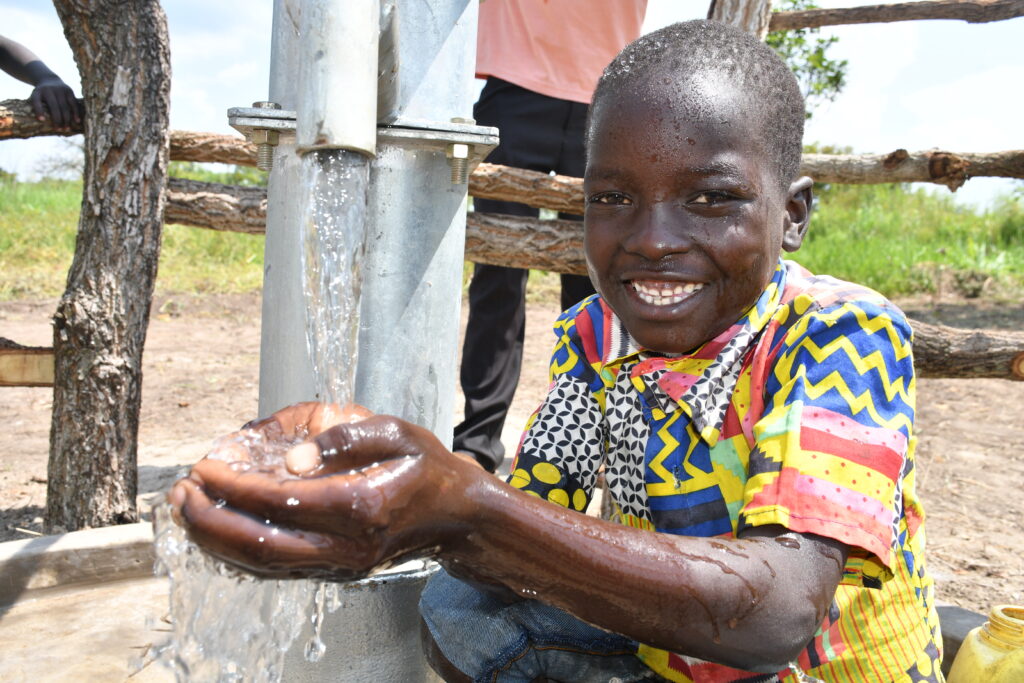
Lakwatomer Village and One Woman’s Fight for Clean Water
Since the early 1980s, families in Lakwatomer village in Uganda have relied on a single hand-dug waterhole. In those days, few people lived in the area. “Back then, very few people lived here,” recalls Okello Okello. “But now, with new settlements, the population has increased and we all still get our water from the same waterhole.”
“Dirty water is still dirty water”
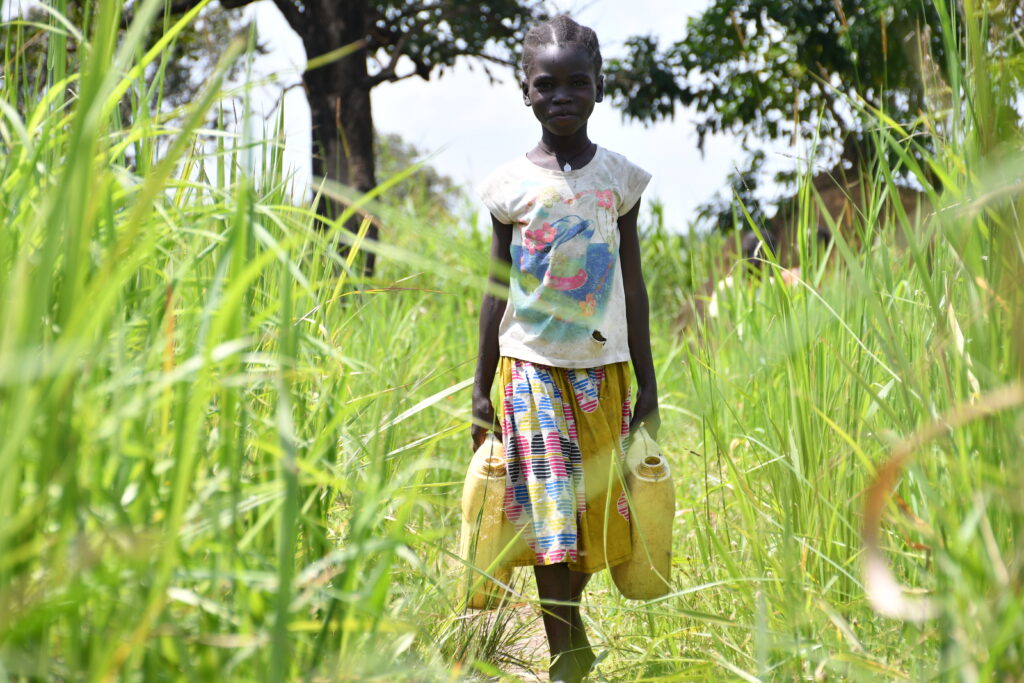
Lacking the funds to develop a safer source, the community did what they could. They enlarged the waterhole to serve more families, trimmed back the grass, and tried to keep the area tidy. But it wasn’t enough. During the rains, the water turned muddy; in the dry season, it dropped to a trickle. Livestock used the same spot, and the health risks were constant. As Okello puts it, “We made the waterhole bigger so it could accommodate the number of people using it and we tried to keep it clean and cut back the grass, but dirty water is still dirty water.”
Seeing what clean water changes
Okello had worked in other districts of Uganda where borehole wells were part of daily life. He saw the difference a safe source made. “I spent a few years working in other districts where I got to drink clean water from boreholes. How I wanted the same experience for my family back home,” he says. When his contract ended and he returned to Lakwatomer, the contrast felt even sharper.
Awor Milly Okello and a difficult choice
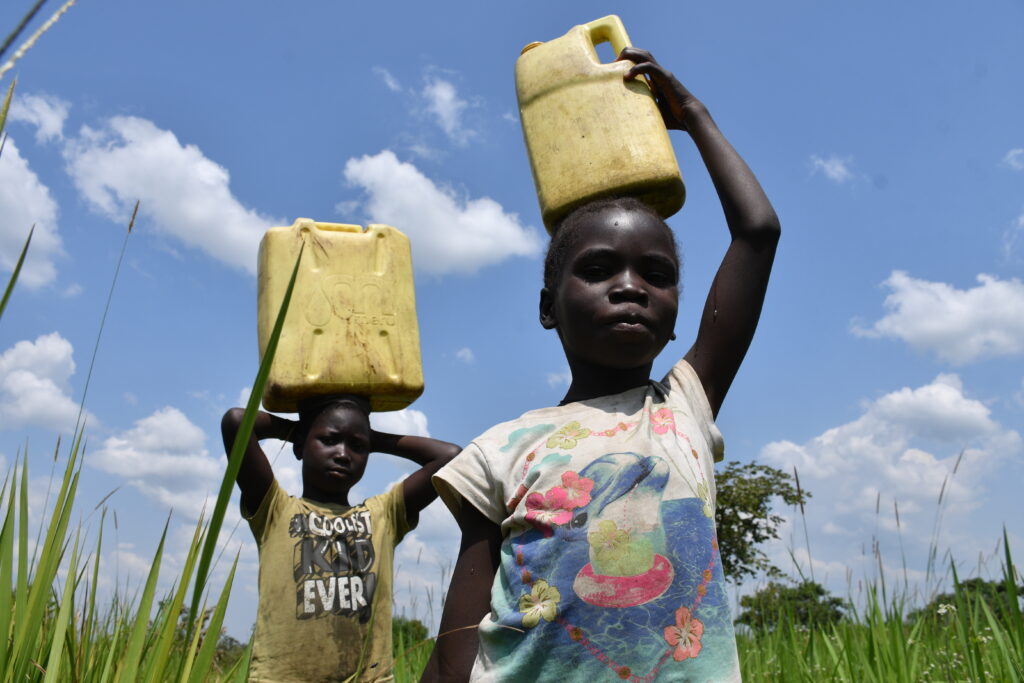
Not long after, a neighboring village received a borehole. Hope rose in Lakwatomer that their turn might be next, but months passed without change. Okello’s wife, Awor Milly Okello, began walking to the neighboring village to collect water there. The difference was immediate. “The borehole water was odorless, came out of clean stainless steel, had no grass, mud, or frogs in it, and had a clean, pure taste.” After that, she struggled to accept water from the old waterhole for her family.
Her regular visits, however, created tension. Women in the host community were contributing to the borehole’s upkeep, and they saw an outsider using the source for free. One day, Awor was stopped from drawing water. A confrontation followed, and she fought her way to fill her container. The water source committee chairperson intervened to mediate and calm the situation, but the moment captured the stakes: when water is scarce or unsafe, dignity and safety come under pressure too.
A new borehole for Lakwatomer
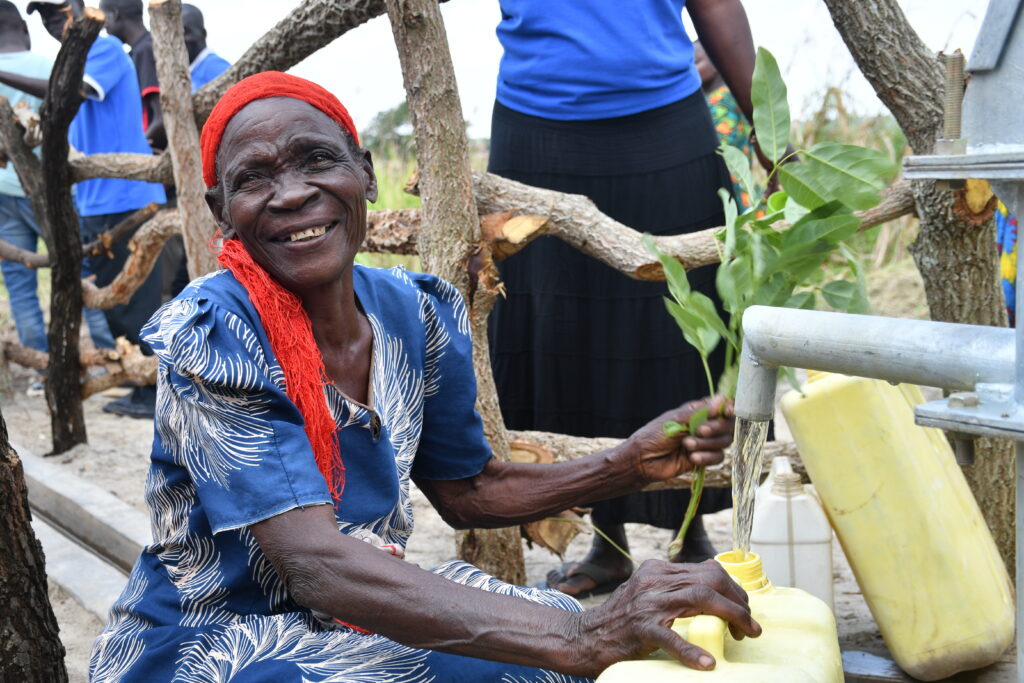
More than a year later, Drop in the Bucket drilled a borehole well for Lakwatomer. The relief in the village was immediate—perhaps felt most strongly by Awor. “I feel bad that I resorted to violence, but to be honest I would probably do it again to get clean water for my family,” she says. “I’m happy that we now have our own and we don’t have to fight. Through this gift to us, we have achieved our independence and a better life.”
What reliable water means in Lakwatomer
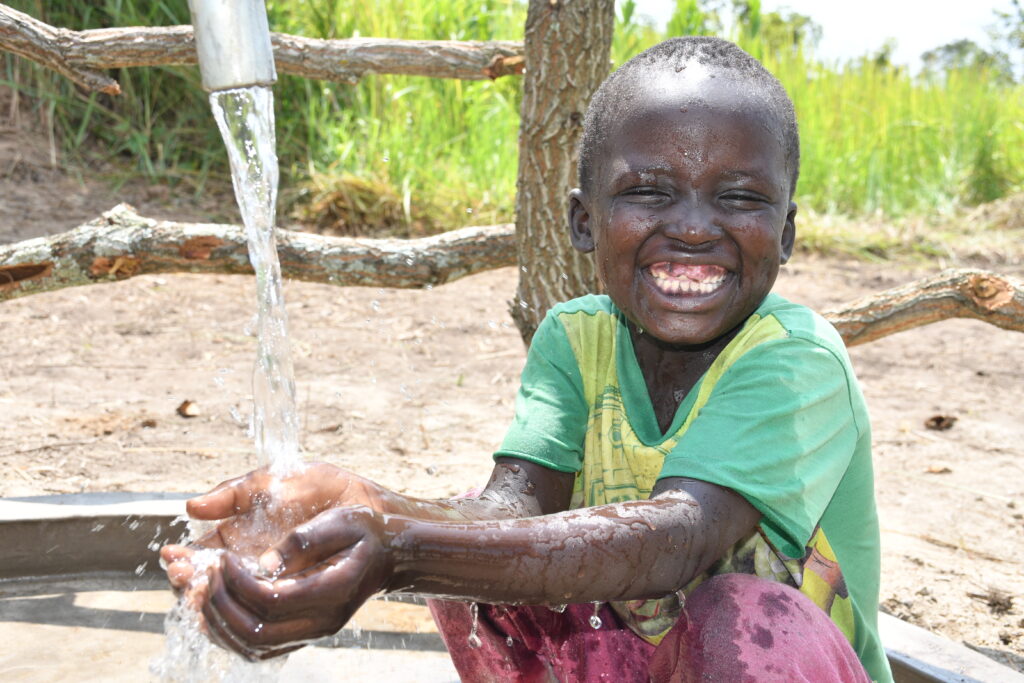
The new well replaces long walks and long queues with a short, predictable routine. Households can plan meals, keep up with hygiene, and send children to school on time. The collection point stays cleaner and safer, and the water itself is clear and steady. For families like the Okellos, the change is not just about taste and convenience—it’s about health, time, and peace of mind.
Lakwatomer Village: from survival mode to stability
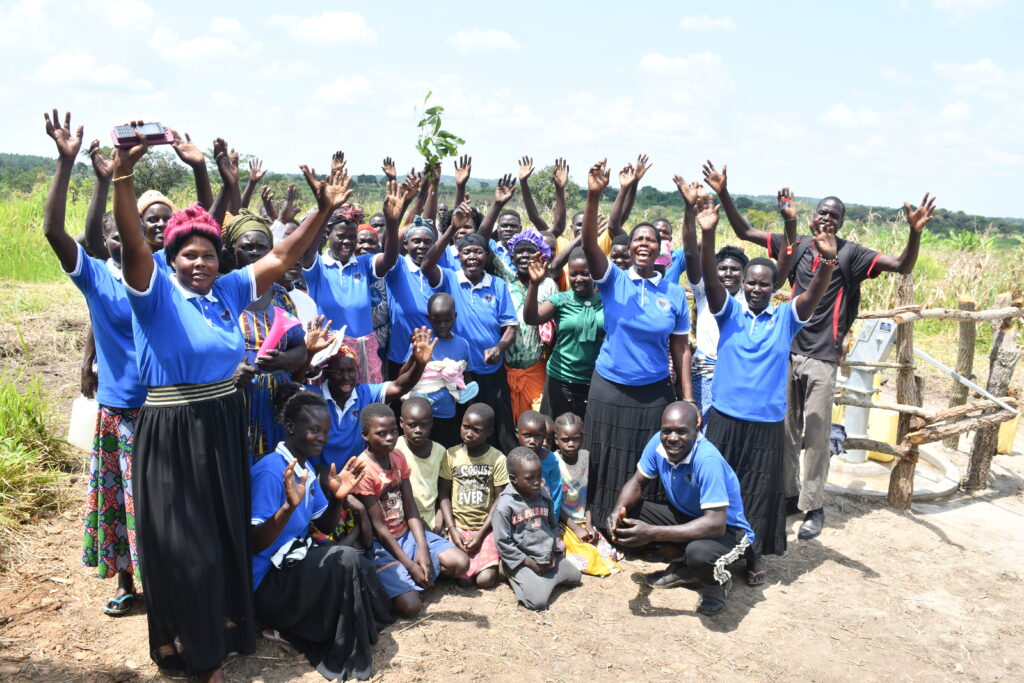
Lakwatomer’s story shows what communities already know: people do everything they can with the resources they have. A hand-dug waterhole kept the village going for decades, but it also kept families in survival mode. A borehole well moves the community from coping to planning—away from hard choices and toward everyday stability. That is the quiet impact of clean water in villages across Uganda.