
Why There Is a Water Crisis in Africa—and How We Can Fix It
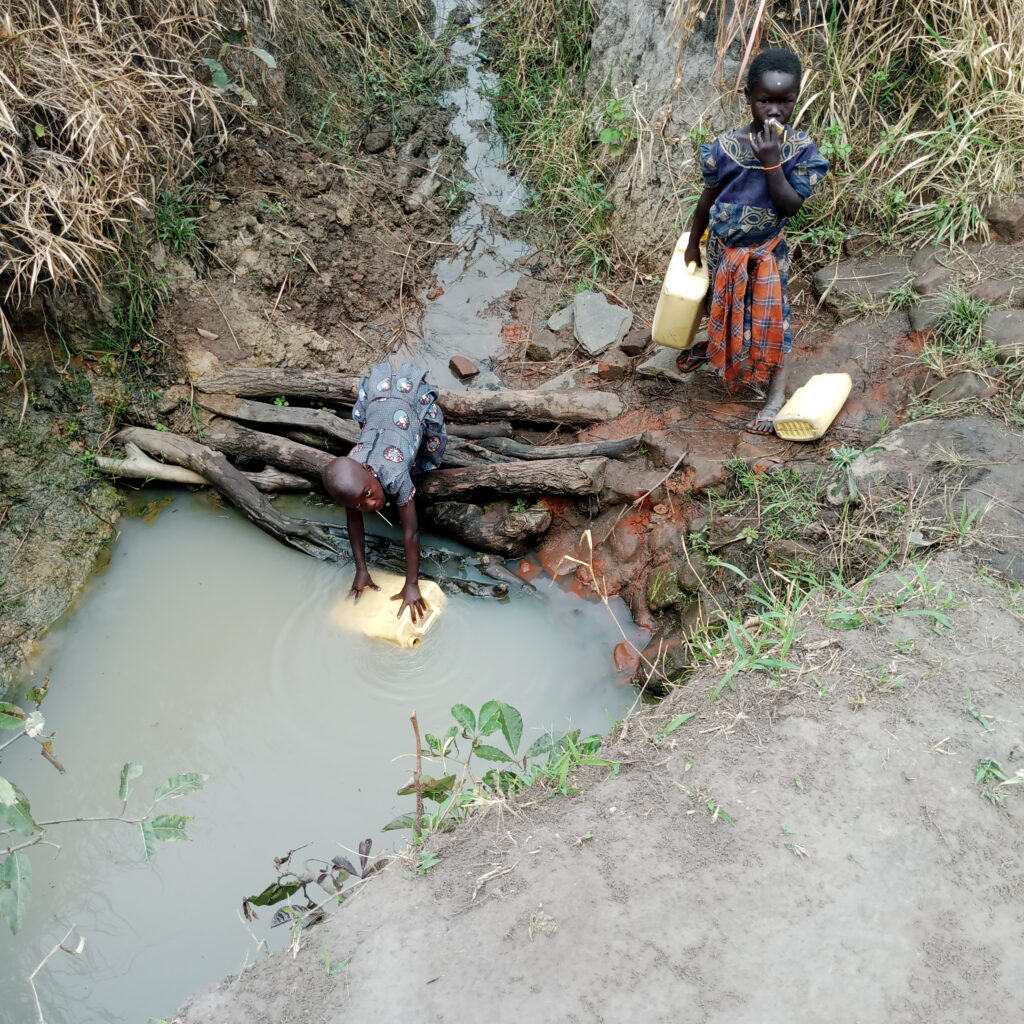
What are the causes of the water crisis in Africa? In many parts of sub-Saharan Africa, families who don’t live in cities still spend hours each day walking for water. They find water in waterholes, ditches, rivers, streams, swamps, or even at the side of the road. While it is water, it’s usually not safe to drink. This tragic situation isn’t inevitable. There are real, practical reasons why so many people lack safe drinking water. Many countries simply don’t have the funding to build the infrastructure needed to provide clean, piped water. And while some countries receive more rainfall than others, life can’t exist without water—so in any inhabited area there is at least some water available. Even in very dry, arid climates, the water crisis can be solved.
The Infrastructure Gap
Some countries have far fewer permanent water points than they need to provide everyone with clean water. Often this comes down to funding for drilling and construction. If the water table is deep, or the area sits at a high elevation, drilling costs rise. In regions with dense volcanic rock, penetration is harder and more expensive than in areas with softer geology. Even in countries with a large underserved population overall, towns and cities may have clean water while rural areas do not. Rural communities then rely on seasonal streams that dry up, or on hand-dug waterholes.
Groundwater exists in most places, but it’s deep—and reaching it requires drilling equipment, skilled crews, and durable materials. Where roads are poor and supply chains are thin, even small repairs can take months. The result is simple: too few borehole wells, too few small piped schemes, and too many people walking long distances for something that should be a basic human right—clean, safe water.
Climate Stress Makes Fragile Systems Fail
Climate can amplify water scarcity. Long dry spells reduce shallow sources to a trickle or dry them up completely. Intense rains can flood latrines, contaminate waterholes, and make water unsafe to drink. Communities that rely on surface water are most at risk when flooding happens. Water from deeper aquifers—accessed through well-sited, well-constructed boreholes—is far more resilient because it’s largely protected from rainfall swings and surface contamination.
Short-Term Projects Can Crowd Out Permanent Solutions
Some “quick-fix” solutions—like clay or sand filters—can help temporarily, but they don’t replace a permanent and reliable source. One issue is that filters become less effective over time and may even stop working without alerting the user, creating a false sense of security. A permanent water point—such as a drilled borehole with quality components, or a small solar-powered piped system—costs more upfront but can deliver safe water for years or even decades when it’s maintained.
Sanitation and Hygiene Are Underfunded
Safe water has the greatest impact when sanitation and hygiene keep pace. Too many communities still lack hygienic latrines, handwashing stations, soap, and basic waste management. Without sanitation, water points can become surrounded by runoff and contamination. With safe water and sanitation, families see fewer diarrheal illnesses, clinics see fewer preventable cases, and children miss fewer days of school. Funding both water and sanitation—together—is how progress lasts.
The High Cost of Unsafe Water
When there’s no safe source nearby, people walk. Hours spent queuing or making repeated trips take time away from school, growing food, livelihoods, and family life. During the dry season, those hours grow. During the rainy season, the quality of open sources often drops. Families are forced to choose between time and safety. Placing a reliable source close to homes and schools turns that choice into a routine: collect water, wash hands, get back to the day.
A Humanitarian Problem with Practical Solutions
The water crisis isn’t about blame; it’s about access. When Drop in the Bucket drills a well, we teach the community how to care for it, protect it, and manage its use. What communities need are:
- Permanent sources — properly sited and drilled borehole wells that tap resilient aquifers.
- Durable materials — hand pumps with concrete aprons and upgraded stainless-steel riser pipes, or solar pumps; fencing and proper site drainage so standing water doesn’t become an issue.
- Community involvement — trained water user committees and local pump mechanics. Self-sufficiency must be built into every project for it to be sustainable.
- Sanitation and hygiene — latrines, handwashing points, and simple behavior practices that protect health.
- Reliable funding for upkeep — so small parts and quick repairs keep systems running year after year.
What Works—and What We Build
- Hydro-geologic siting and drilling
We drill where long-term yield is sustainable, using proven methods and materials built to last. - Simple, maintainable designs
We install standard India Mk II hand pumps with concrete aprons and upgraded stainless-steel riser pipes, or small solar-powered systems where appropriate. Spares are affordable and available locally. - Community training and stewardship
We support user committees to manage daily use and cleanliness, and we train local pump technicians to handle repairs quickly. - Sanitation and hygiene alongside water
Handwashing, latrine access, and safe water handling help families realize the full health benefits of clean water. - Clear documentation and follow-up
Coordinates, photos, basic yield data, and simple guidance help communities and local officials keep each point working.
Is the World Water Crisis Solvable?
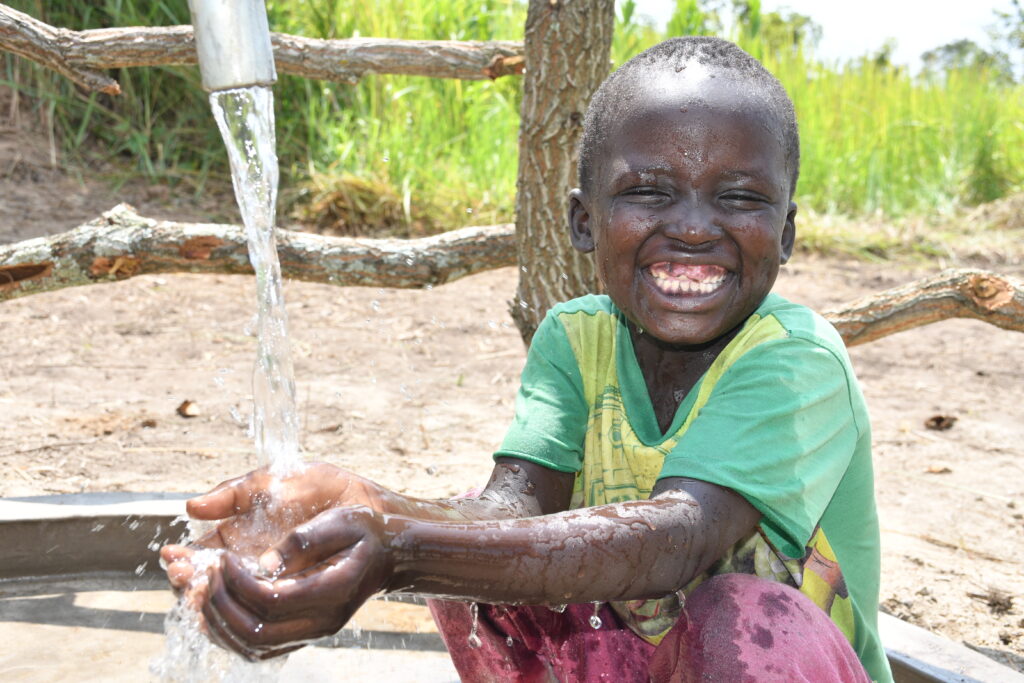
Yes—the water crisis is solvable.
What makes it solvable
- Proven groundwater: In many parts of Africa, deep aquifers hold large volumes of water that are safer and more resilient than seasonal surface sources.
- Reliable technology: Properly sited borehole wells—built with quality components (durable hand pumps, concrete aprons, upgraded stainless-steel riser pipes)—provide daily, local access.
- Scalable approach: Drilling more wells and, where needed, adding small solar-powered systems and storage tanks can serve villages, schools, and health centers efficiently.
- Local stewardship: User committees, trained pump mechanics, and simple upkeep routines keep points working for years with affordable spare parts.
What’s needed now
- Investment in permanent sources
Move funding toward providing schools, health centers, and rural communities with permanent sources of safe water. - Basic sanitation alongside water
Latrines, drainage, and handwashing stations protect health and the water point itself—turning safe water into sustained impact. - Simple, fast maintenance pathways
Local technicians, clear roles, and small budgets for parts prevent minor issues from becoming long outages. - Smart siting and quality control
Hydro-geologic surveys, responsible drilling, and pump testing ensure each site is built to last.
The bottom line
There is enough water. With more boreholes and supporting infrastructure, the water crisis becomes a logistics problem we can solve—community by community. Every reliable well means fewer hours walking, fewer clinic visits, and more children in class. This is practical progress we can deliver at scale.
Explore our Water Facts for a quick look at why safe water, sanitation, and hygiene work best together.