THE WATER CRISIS

Why There Is a Water Crisis in Africa — and How We Can Fix It

Across much of sub-Saharan Africa, families in rural communities still spend hours each day searching for water. They collect it from waterholes, ditches, rivers, streams, swamps, and roadside pools. This is water that is never healthy or safe to drink.

This situation is not inevitable. There are practical reasons millions of people still lack safe water, from limited infrastructure and difficult geology to inadequate funding and maintenance. And there are practical solutions.
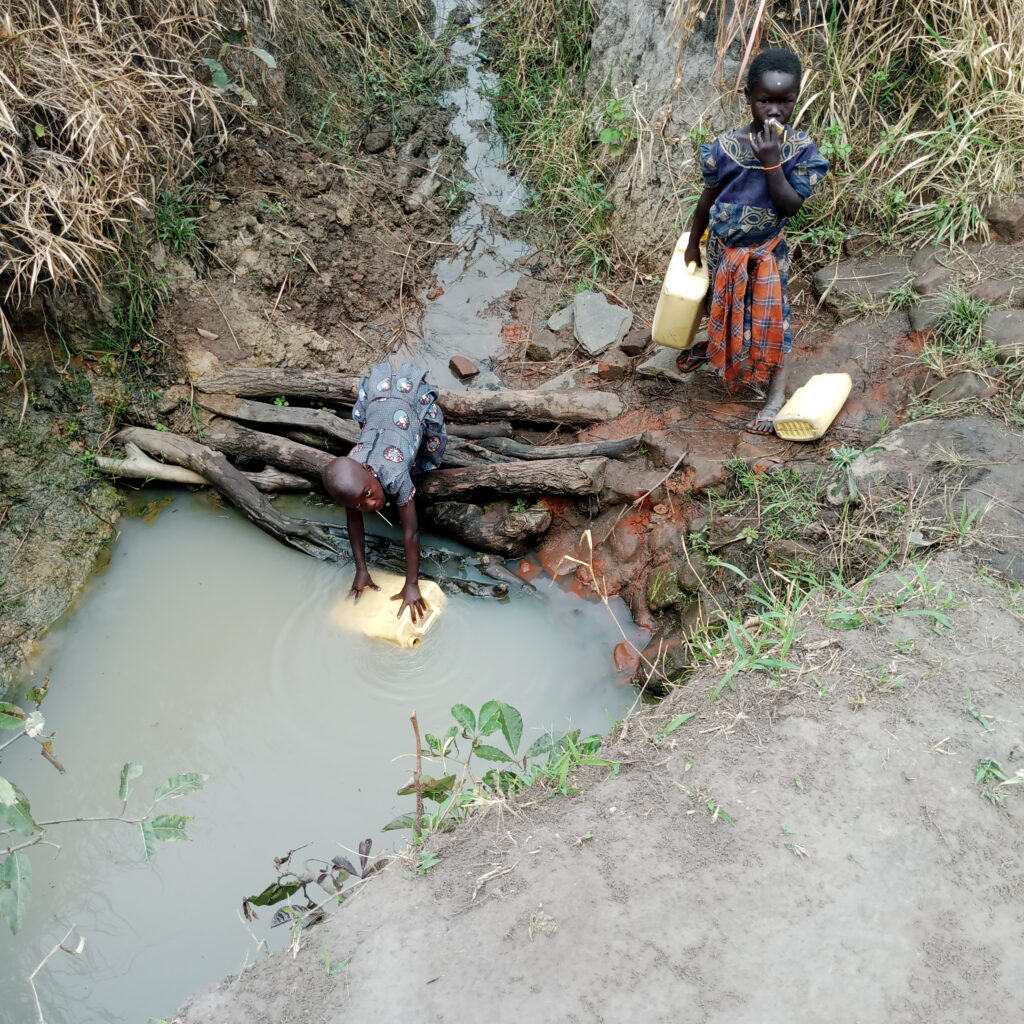
Two children getting dirty water from an unsafe source in Uganda. This photo in on a page that discusses causes of the water crisis in Africa
Two children collect dirty water from an unsafe source in Uganda
Causes of the water crisis

Why the Water Crisis Persists

The water crisis is not caused by a single problem. In many rural communities, limited infrastructure, difficult geography, climate stress, underfunded sanitation, and the cost of reaching permanent water sources all contribute to the challenge.

The Infrastructure Gap

Too few permanent water points, limited drilling capacity, difficult geology, poor roads and thin supply chains.

Climate Stress

Dry seasons reduce shallow sources, while heavy rains contaminate surface water and flood sanitation systems.

Short-Term Solutions

Temporary filtration can help, but it cannot replace a permanent, reliable source of safe water.

Underfunded Sanitation

Safe water delivers far greater health benefits when latrines, handwashing and hygiene improve alongside it.

The Cost of Distance

Hours spent walking and queuing for water take time away from school, livelihoods and family life.
THE COST OF UNSAFE WATER

When Water Is Far Away, Everything Takes Longer

When there’s no safe source nearby, people walk. Hours spent collecting water or waiting in line take time away from school, growing food, earning a living, and family life.

During the dry season, those hours grow as nearby sources disappear. During the rainy season, open water sources can become even more contaminated.

A reliable source of clean water close to home turns hours of walking into time for school, work, and family.

SOLUTIONS THAT LAST

Practical Solutions to Africa’s Water Crisis

Solving the water crisis means investing in permanent infrastructure and giving communities the tools and training to keep it working for years to come.

Permanent Water Sources

Properly sited and protected borehole wells deep enough to reach a reliable aquifer.

Creating Infrastructure

Quality pumps, concrete aprons, stainless-steel riser pipes and solar-powered systems where appropriate.

Community Ownership

Ensuring that the community feels a real, tangible sense of ownership for the water points and sanitation systems

Sanitation and Hygiene

Latrines, handwashing facilities, proper drainage and safe water practices help protect the health benefits of clean water.

Long-Term Maintenance

Accesss to affordable spare parts, local trained repair technicians, putting systems in place to ensure sustainability
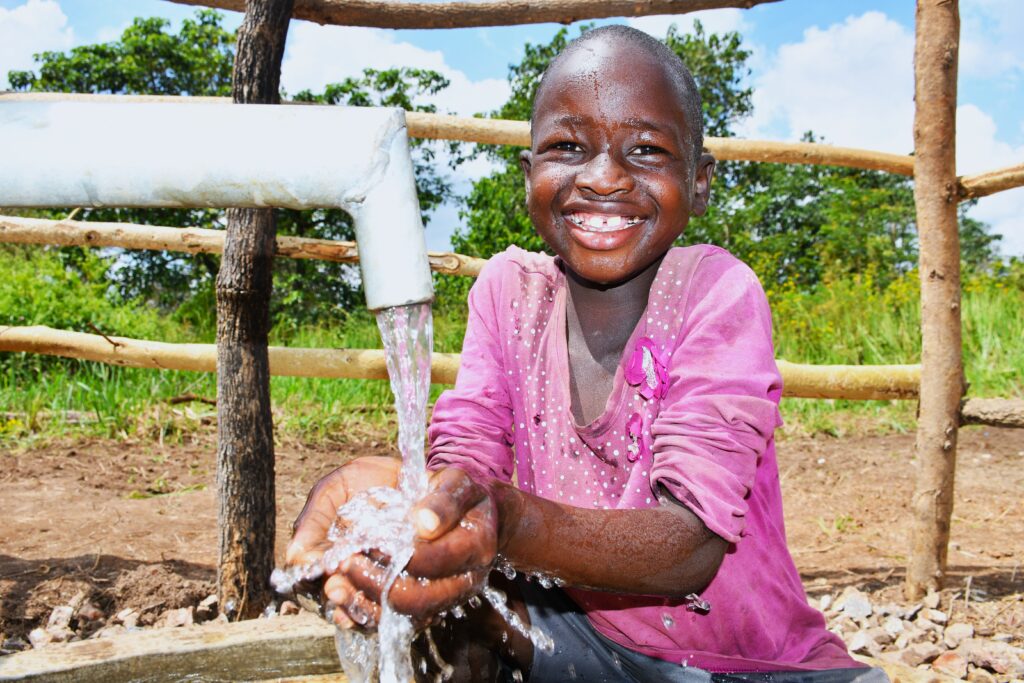
A girl from the Dudtdut village in the Koro sub-county of the Omoro district in Uganda gets clean water from a newly drilled borehole.
THE GOOD NEWS

Is the Water Crisis Solvable?

Yes. The water crisis is solvable.

The solutions already exist. With the right investment, properly drilled wells can provide reliable clean water for years. Combined with local training, sanitation, and long-term maintenance, communities can build water systems that continue working long after construction is complete.

Every new well means less time spent searching for water—and more time for school, work, family, and opportunity.

What’s Needed Now

Invest in Permanent Water Sources

Prioritize permanent water infrastructure for schools, health centers, and rural communities instead of relying on short-term solutions.

Develop Sanitation Alongside Water

Pair clean water with latrines, handwashing facilities, and proper drainage to protect health and maximize the impact of every water point.

An Emphasis on Maintenance

Train local pump mechanics and ensure affordable spare parts are available so small problems can be repaired before they become outages.

Prioritize Smart Siting & Quality Control

Use hydrogeological surveys, responsible drilling, and pump testing to ensure each new water source is reliable and built to last.
THE BOTTOM LINE

Africa’s Water Crisis Can Be Solved

There is enough water. With more borehole wells and the infrastructure to support them, the water crisis becomes a practical problem we can solve—community by community.

Every reliable well means less time spent searching for water, fewer preventable illnesses, and more children in school.