
Taking Care of What Belongs to Us
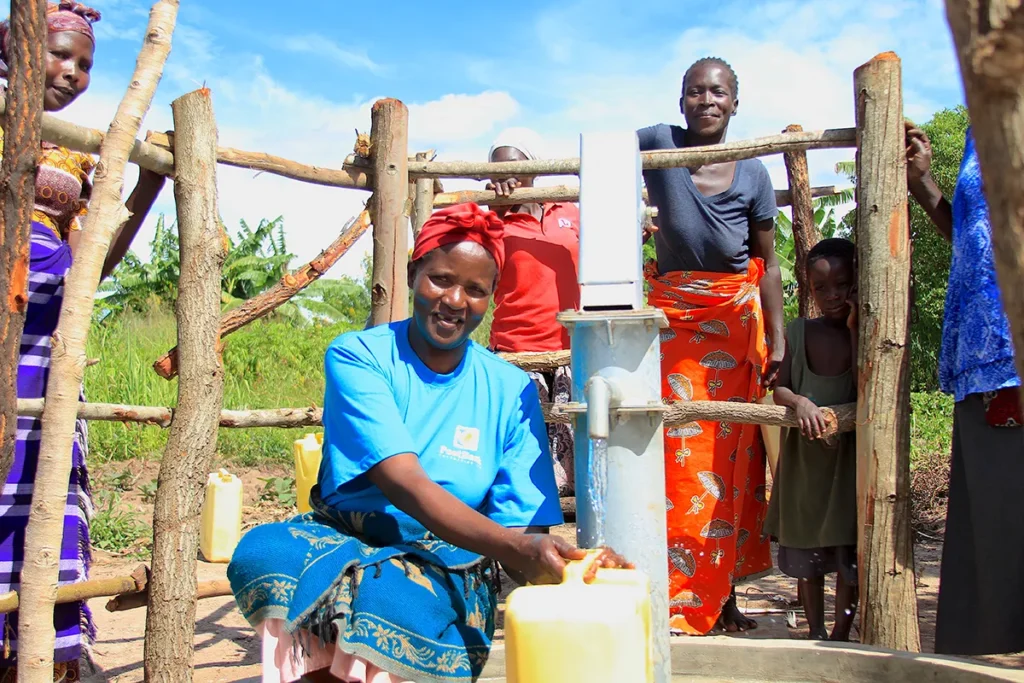
When a new well is drilled, there is always excitement. Families gather to collect clean water, children crowd around the pump, and a community celebrates something that will make everyday life a little easier.
But what happens five or ten years later? Who makes sure the water keeps flowing?
In the village of Oduku Go-Down , Caroline Labong has a clear answer.
The Community Takes Responsibility
Caroline is the chairperson of the local water committee, a group of community members responsible for maintaining the village well. During a recent meeting with DROP staff, she spoke proudly about the steps her community has taken to protect its water supply.
“We are taking good care of our borehole,” she said.
And they are.
Every month, families contribute to a maintenance fund so that money is available when repairs are needed. Young people help keep the area around the well clean, while committee members regularly check the pump for signs of wear.
Caroline even pointed out a small issue they had noticed: the pump handle had begun to wobble slightly. It wasn’t a major problem, but it was something they were keeping an eye on.
That small detail says a lot.
Rather than waiting for the pump to break down, the community is paying attention, identifying potential problems early, and taking responsibility for keeping its water supply working. While we were there, we looked at the handle and made the necessary adjustments.
Building Wells That Last
At DROP, we know that drilling a well is only the beginning. Pumps eventually wear out, parts need replacing, and even the best-built water systems require regular maintenance. That’s why we work with communities to establish water committees and develop plans for maintaining their wells long after our drilling teams have moved on.
The goal is not simply to provide clean water today, but to help ensure that the same well continues serving families for years to come.
In Oduku Go-Down, that responsibility is already in the hands of the people who depend on the water every day.
And listening to Caroline talk about her community’s well, it’s clear that she wouldn’t have it any other way.