Training Water Management Committees
Building Community Ownership Before Drilling Begins
A successful water project begins long before the drilling equipment arrives. At Drop in the Bucket, we believe that communities should play an active role in managing and protecting their own water sources.
Before a new well is drilled, DROP works closely with community members and local stakeholders to identify and select representatives who will form a Water Management Committee (WMC).
These committees help ensure that the people who will use the well have a voice in how it is managed and understand their responsibilities for keeping it operational.
Throughout the project, DROP works with committee members to encourage community participation, establish clear expectations, and prepare for the long-term management of the water point.
Training Water Management Committees
Once committee members have been selected, DROP provides training to help them understand their roles and responsibilities.
The training focuses on building the organizational and practical skills needed to manage a shared community water source.
Key areas of responsibility include:
- Encouraging community participation in the management and care of the well.
- Helping establish clear responsibilities for maintaining the water point.
- Promoting proper hygiene and safe water handling practices.
- Keeping the area surrounding the well clean and protected from contamination.
- Organizing community efforts to maintain fencing and protect the borehole.
- Identifying maintenance needs and coordinating with trained pump mechanics when repairs are required.
- Helping resolve concerns related to the use and management of the water source.
Ensuring Women Have a Voice
Women and girls are often responsible for collecting water for their households, yet they have not always had an equal voice in decisions about community water resources.
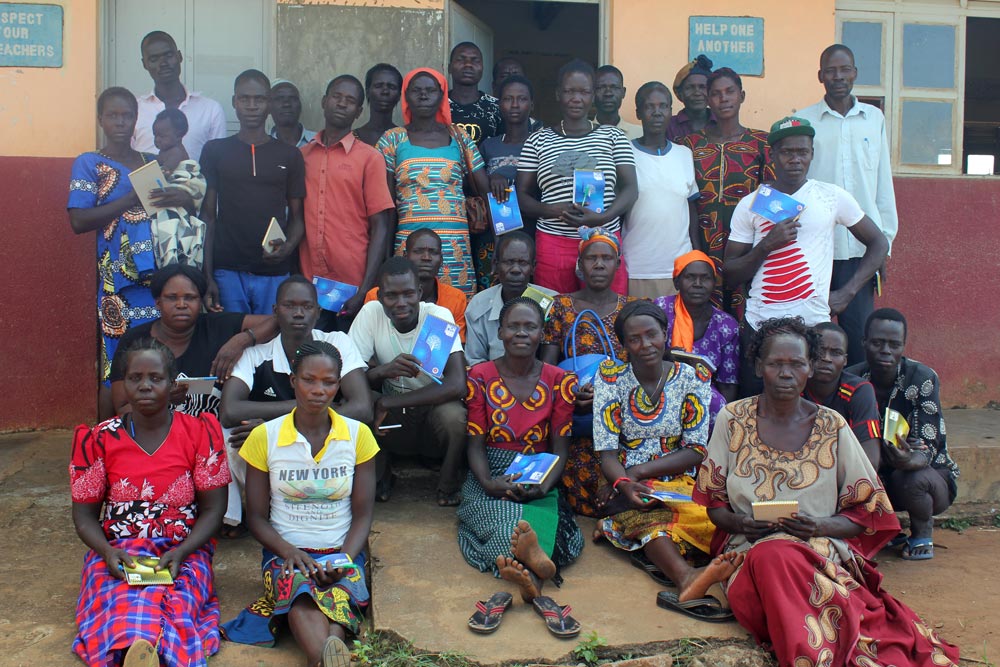
DROP places particular emphasis on gender balance when establishing Water Management Committees. In many of the committees we form, women account for approximately 60% of the membership.
This representation helps ensure that the people most directly involved in collecting and using water can participate in decisions about how the well is managed.
Committee members are also provided with DROP T-shirts to help identify their roles and encourage a sense of responsibility and participation within the community.
Protecting Water Quality Through Hygiene Education
Providing access to clean water is only part of the challenge. Keeping that water safe requires good hygiene practices and proper care of the area surrounding the well.
During the pump testing phase, DROP carries out hygiene promotion activities with community members and Water Management Committees.
These sessions emphasize the importance of safe water handling, protecting the borehole from contamination, maintaining fencing around the water point, and keeping the surrounding area clean.
By encouraging good hygiene practices from the beginning, committees can help protect the water source and reduce the risk of contamination.
Keeping Wells Working for the Long Term
Water Management Committees are an important part of DROP’s approach to sustainability.
While trained pump mechanics provide technical maintenance and repairs, committee members help organize the community, oversee the water point, and encourage everyone to take responsibility for its care.
By establishing these structures before drilling begins, DROP helps communities prepare not only to receive a new well but also to manage and protect it for years to come.
Our goal is to ensure that each completed water project becomes a lasting community resource, supported by the people who depend on it every day.