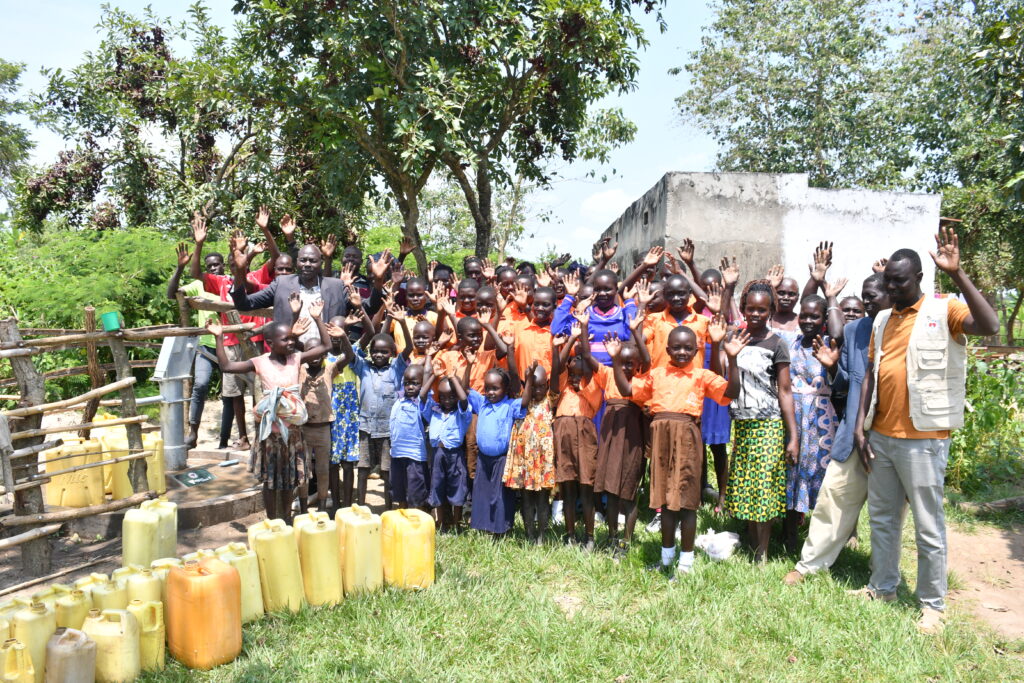
Things were finally starting to look up for Covenant Nursery and Primary School, a small village school in northern Uganda. For the first time, the school had electricity — a true achievement for a rural community.
Electricity meant the classrooms had light, teachers could charge their phones, and staff no longer had to travel into town just to print exams. The improvement attracted better teachers, and soon more parents enrolled their children. Within months, enrollment had climbed to more than 500 students.
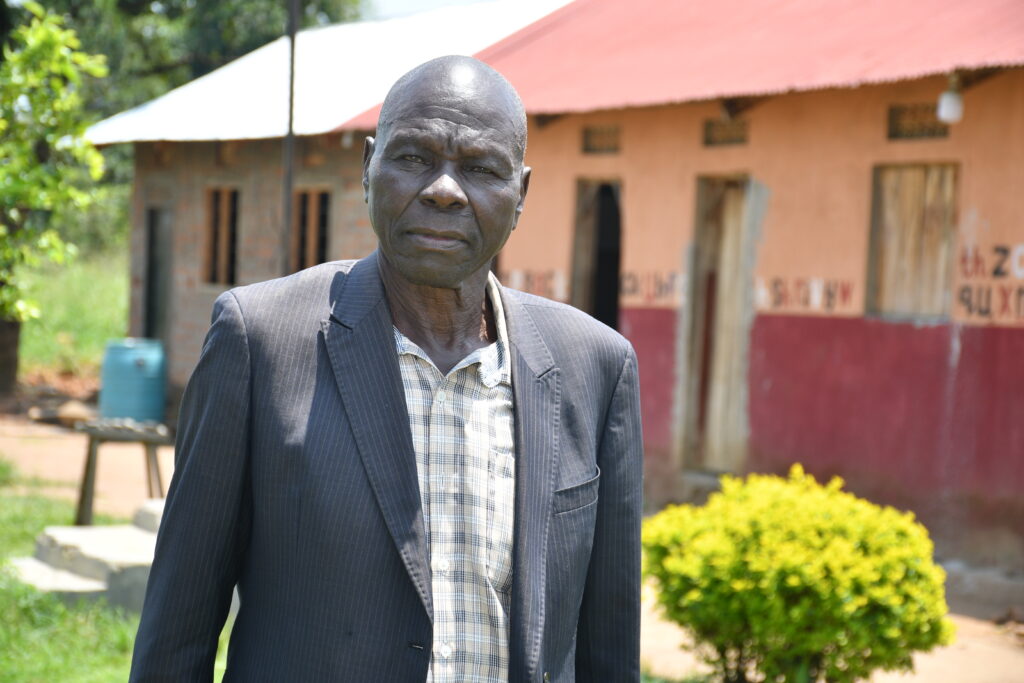
But the school’s infrastructure wasn’t ready for such rapid growth. Soon, children began complaining of stomach pain, diarrhea, and skin rashes. Concerned, the headteacher, Mr. Olanya, contacted the local health center to request a nurse visit the school. The clinic was already full of patients and couldn’t spare anyone—but the doctor on duty had a suspicion. Based on the symptoms, he advised the school to check their drinking water.
It didn’t take long to confirm the problem. The surge in enrollment had strained the nearby community water point, and the school had resorted to collecting water from a nearby spring.
Spring water pours naturally from the ground, but this one was unprotected—with no pipes, no cement lining, and no fencing. During the rainy season, runoff from nearby homes and fields carried animal waste and litter straight into the catchment. The open water was teeming with visible tadpoles, mud, and invisible parasites—a dangerous mix for young children.
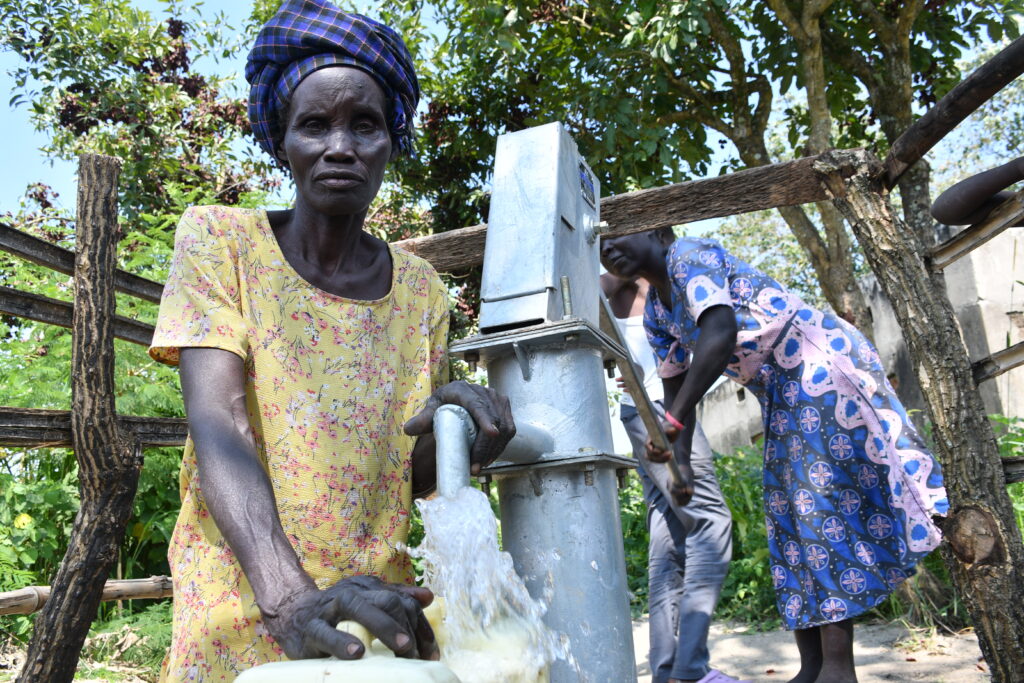
Drop in the Bucket had drilled a well for the local health clinic two years earlier, so the school requested our team to assess the situation. They easily met all the criteria, and before the end of summer, Covenant Nursery had its own clean water point.
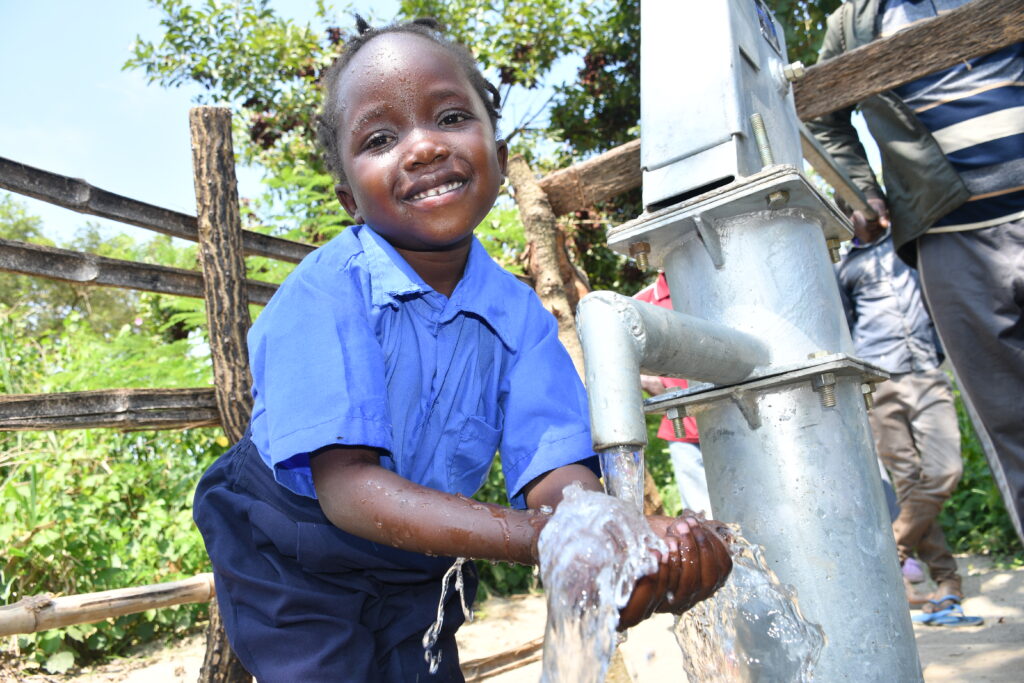
Today, the school is thriving.
At the handing-over ceremony, Mr. Olanya shared,
“This clean water has changed everything. Now we will watch our children grow up strong, healthy, and well-educated citizens.”