In the rural village of Bidin B, in northern Uganda’s Nwoya District, women and girls once spent hours each day walking long distances to fetch water—often from unsafe, open waterholes shared with livestock. This wasn’t just exhausting—it was time taken away from growing food, caring for children, or earning an income. For households already living on the edge, that lost time came at a steep cost.
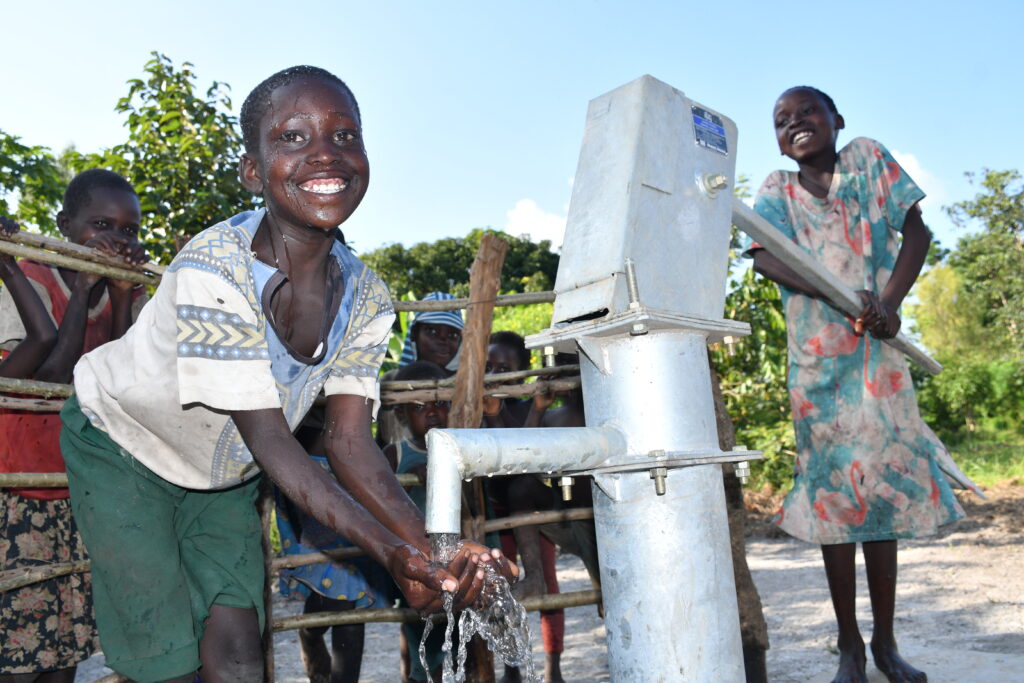 Everything changed when Drop in the Bucket, a clean water charity working across sub-Saharan Africa, drilled a borehole well near the village. Suddenly, clean water was just a short walk away. The impact was immediate: fewer illnesses, more time for farming, and—for the first time—space in the day to think beyond basic survival.
It Started with Clean Water—but in Bidin B, It Became a Way to Grow
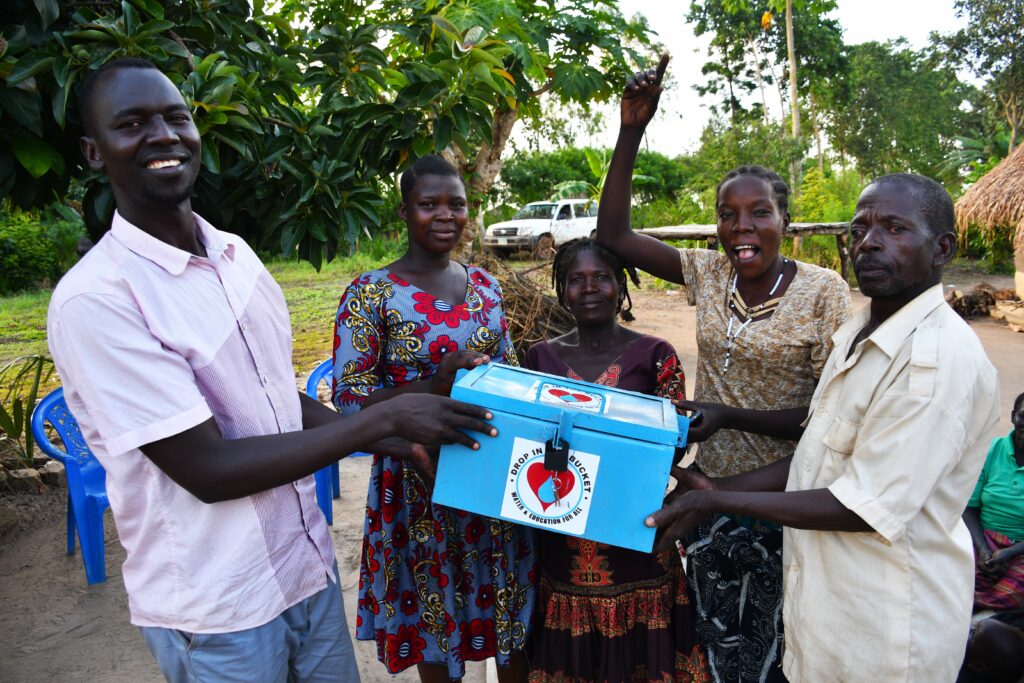
Along with the well, Drop in the Bucket helped establish a Village Savings and Loan Association (VSLA). These community-run savings groups teach members how to save, lend, and borrow using a highly structured system. By pooling their resources, members can take out short-term loans to invest in small businesses and household needs.
One of the earliest members was Agness Okeny, a mother and small trader in Bidin B.
Agness sells grains, dried fish, and silverfish at a shared market stall called Lar Cwari—Acholi for “rescue your husband.” The name reflects shared household responsibility: in a place where many families rely on one income, women like Agness are changing that reality.
The VSLA in Bidin B: Saving Together, Building Stability
Through the VSLA, Agness took a small loan to expand her business. With a bit more capital, she was able to buy goods in bulk, stock up when prices were low, and keep her stall open even during the slow season. Customers came to her because her stall was always stocked with what they needed. She reinvested her profits by planting nearly two and a half acres of maize and groundnuts.
That income didn’t just help her business—it helped her family. She used her earnings to pay school fees, cover medical expenses, and keep food on the table during lean seasons. What began as a small table at a rural market became a stable, growing source of income.
What a VSLA Means in Bidin B Village
Agness describes her business as “thriving.” She no longer runs out of stock and has enough savings to manage everyday expenses—and to face emergencies without losing everything.
In rural Uganda, unexpected costs—a sick child, a damaged roof, or a funeral—can force a family to sell their only goat or chicken. But with access to savings and credit, Agness has a safety net. Her home now has what many others don’t: stability. She buys food early, pays fees on time, and makes plans for the future instead of scrambling to survive.
Looking Ahead: What’s Next for Agness in Bidin B
Agness’s next goal is to build a small storage shed. With better storage, she can keep her grain and groundnuts until prices rise—especially during holiday seasons, when demand and profits peak. She could even begin selling in bulk to wholesalers.
This is how change happens in villages like Bidin B: a nearby well that saves hours each day, a savings group that opens financial doors, and a woman with a plan to grow.
A VSLA That Works in a Challenging Place
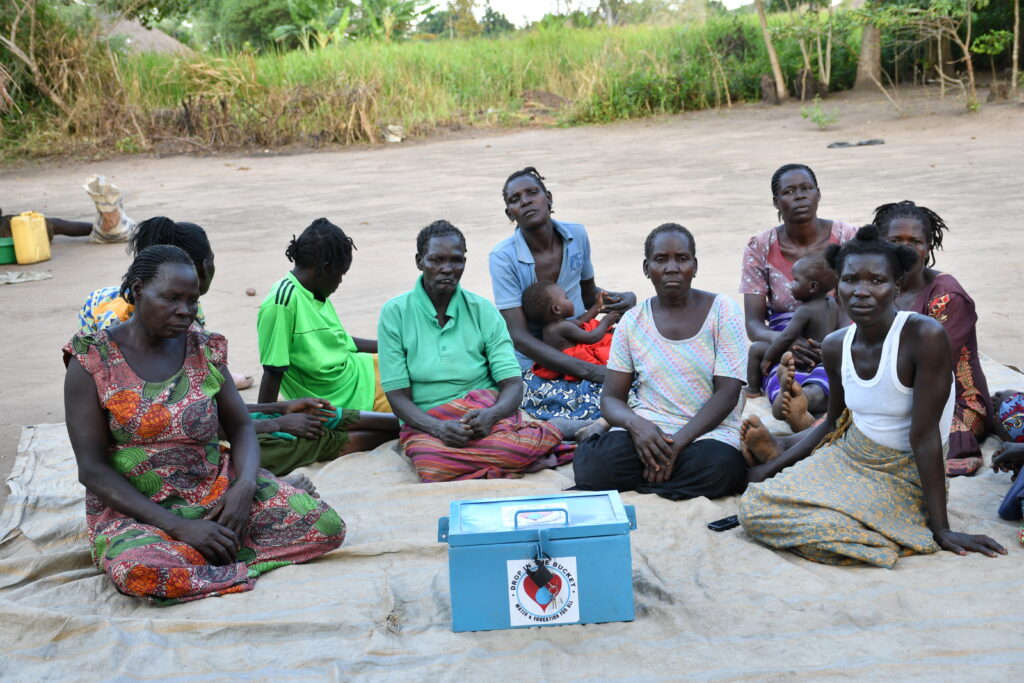
Members of the Bidin B VSLA group meet in Nwoya, Uganda
Bidin B is a poor village. When money is tight, even small setbacks—like illness, crop loss, or school fee hikes—can threaten a family’s future. But the VSLA is changing that. The group has clear rules, small weekly contributions, and strong accountability. Every loan supports a thoughtful plan. Members track repayments and celebrate each other’s success.
This isn’t just about money. Saving is now a routine part of life. Women discuss prices and transport. Men recognize the income these stalls bring into the home. Teenagers assist with bookkeeping. The well brought clean water—but the time it saved has been turned into opportunity, dignity, and momentum.
Why Clean Water and VSLAs Work Together
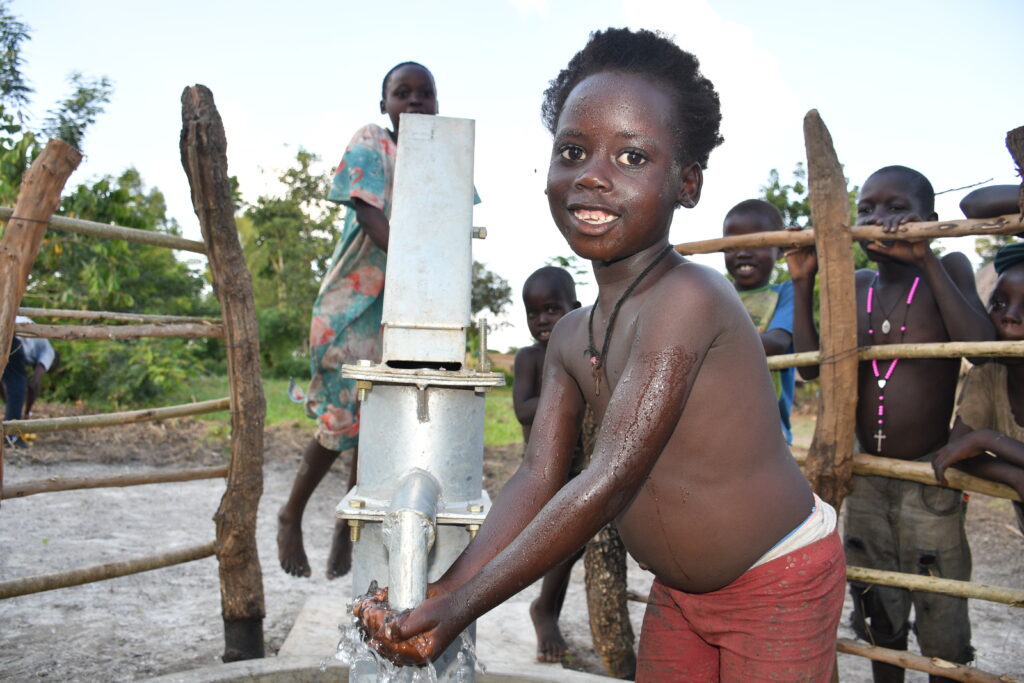
The newly drilled well at Bidin B village in Nwoya, Uganda
In communities like Bidin B, access to clean water and access to credit go hand in hand. A reliable water source means fewer sick days and fewer hours wasted walking for water. That time becomes productive time. And when there’s a safe, trusted place to save and borrow, people can turn that time into income.
The combination of water and opportunity keeps kids in school, helps families prepare for dry seasons, and builds futures that don’t depend on emergency coping. It’s not flashy. It’s not fast. But it works.