
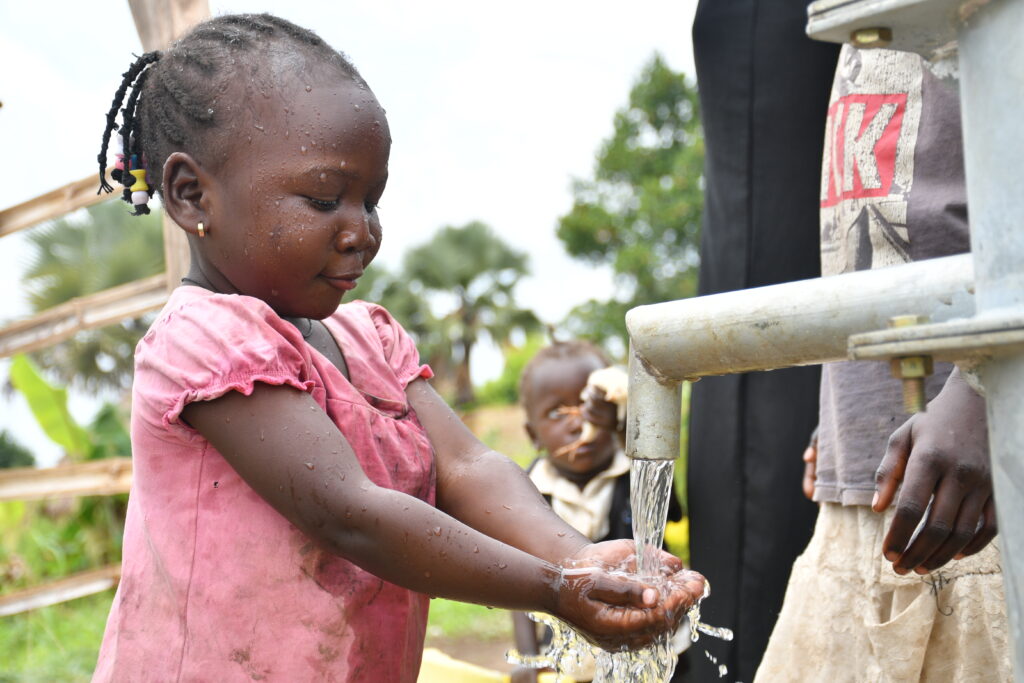
Paminano-A Cell is a small community in Uganda where the value of water once went far beyond thirst. During long stretches of scarcity—and even on ordinary days when the source failed—neighbors literally lent and borrowed water as if it was a currency. Some repayments even came with “interest.” This is the story of how a community’s improvised water economy arose, why it was unsustainable, and how a new borehole well restored health, time, and dignity.
When Water Itself Became a Loan
For years, households here relied on a spring that the community had identified by reading the land: thick vegetation and damp soil signaled groundwater close to the surface. Families dug down to reach it. That made it an unprotected spring—a natural, open source where animals could wade, and runoff could carry contaminants into the water. During the rainy season, flooding turned the scoop hole to mud; in dry spells, the water slowed to a trickle or vanished.
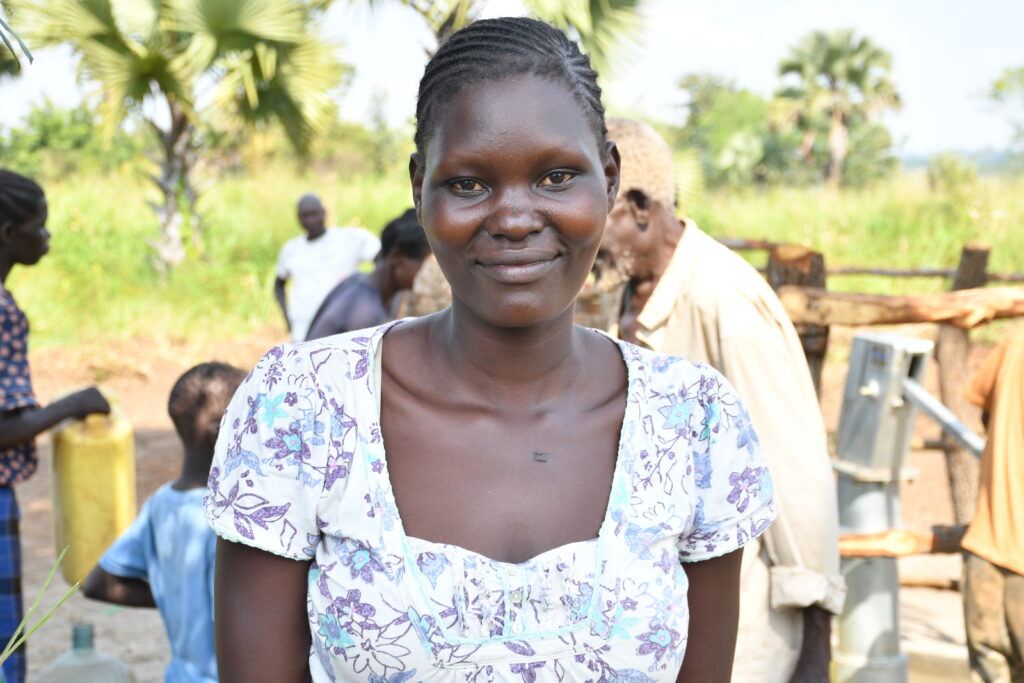
As conditions worsened, an informal market emerged. “If one didn’t have clean water, she borrowed from a neighbor who had,” recalls Adong Mary Mercy. “Once the pipe water cleared, the borrower refunded the same quantity. If a lender was strict, she asked for interest—perhaps five liters on top of twenty.” It was an ingenious, compassionate system—but it depended on luck, social ties, and a source that kept failing.
Unprotected vs. Protected Springs—And Why It Matters
An unprotected spring (sometimes called a natural well) is simply a spot where groundwater naturally emerges and people dig to access it. Because it is open, livestock often drink directly from it—and stand in it. Animals defecate and urinate at the source, and rain can wash soil and waste into the water. Even if the water looks clear, it is frequently unsafe to drink.
A protected spring is a step up: the community adds a pipe to direct the flow and constructs a small headwall or box to keep the collection area cleaner. Protection helps reduce contamination and makes collection easier. But if materials corrode, pipes clog, or floods breach the structure, quality and reliability decline again.
A Local Upgrade—And Its Limits
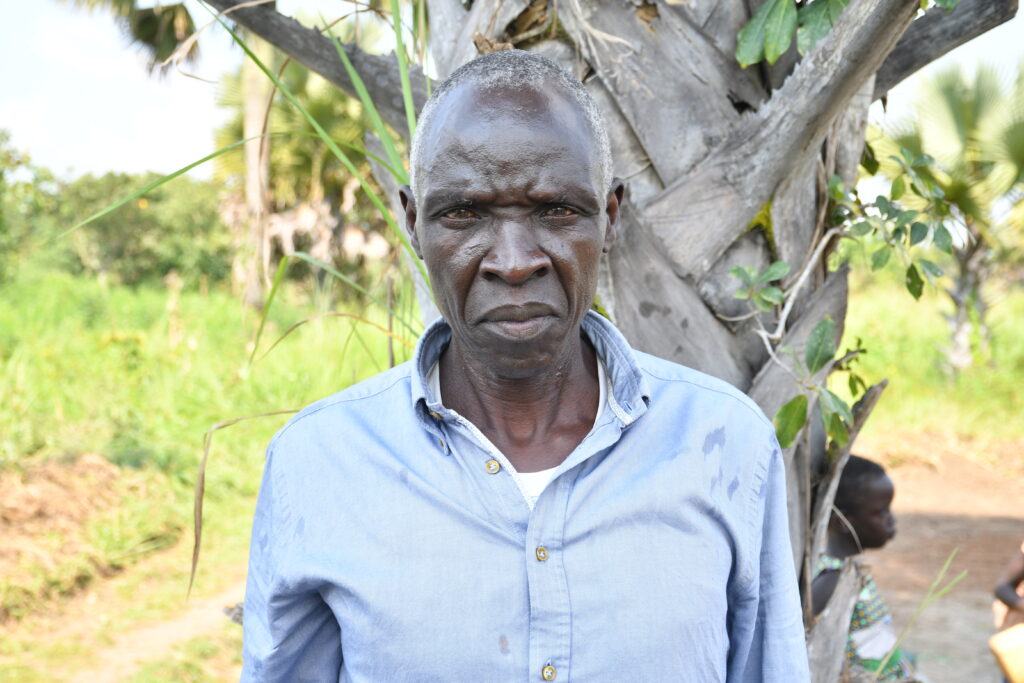
Hoping for a safer option, residents and local leaders contributed funds and labor to “protect” the spring. They installed metal piping and cemented the area. For a time, water flowed more cleanly. But within a year, new problems appeared. “The water that came out of the pipe had brown shiny fragments,” explains Okello Martin, the water committee chairperson. “We realized it was rust when it collected at the bottom of our jerrycans.” The pipe also clogged; sometimes only a slow trickle emerged unless someone used a stick to unblock it. Other days, flooding overwhelmed the area or the source ran dry. People returned home with empty containers.
‘Water Loans’ Couldn’t Solve a Structural Problem
Neighbor-to-neighbor lending kept families afloat, but it was never a solution. Access depended on friendships and favors. Parents juggled trips at unsafe hours. Children missed school to queue. Health risks persisted, especially for the youngest and the elderly. In short, the community had created a temporary workaround when in reality they needed a permanent solution.
A Borehole Well for Paminano-A Ends the Scarcity
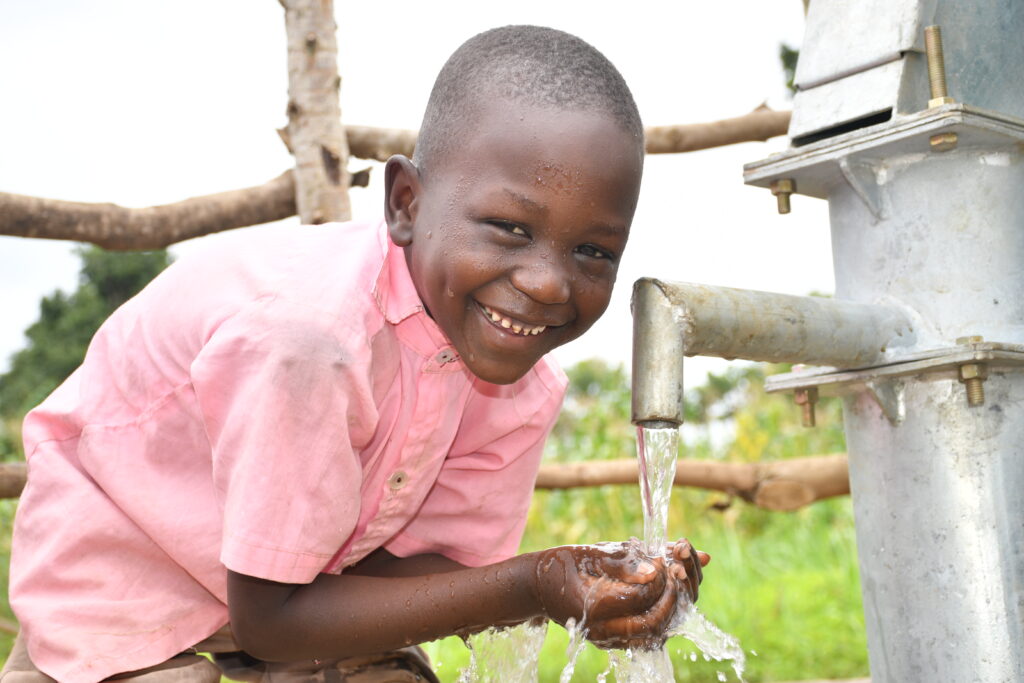
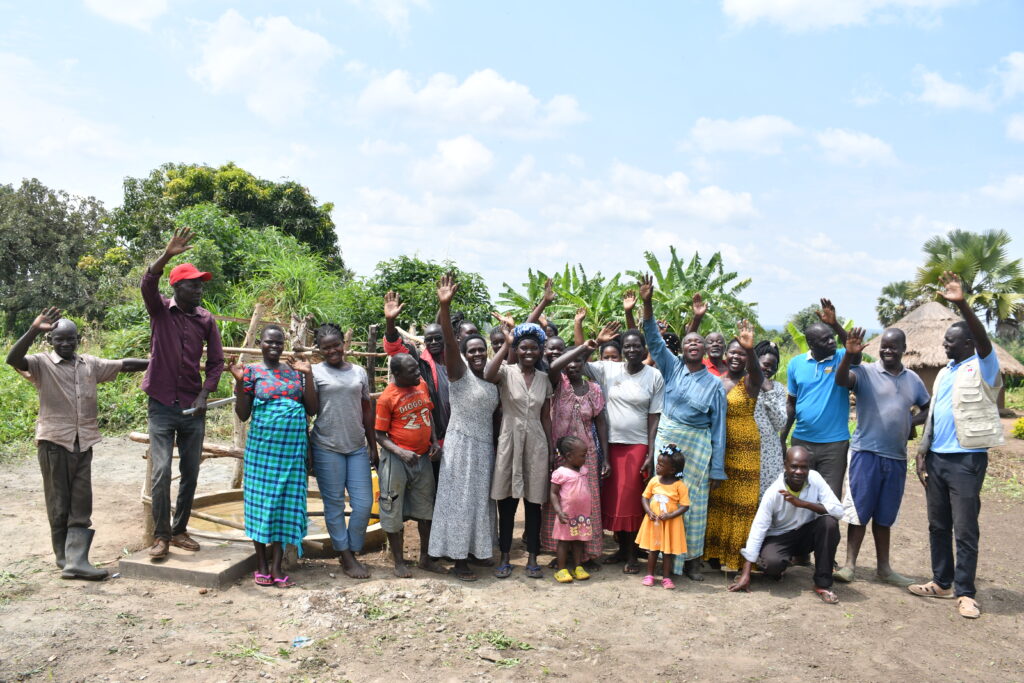
In July 2025, the village received just that when Drop in the Bucket installed a deep drilled borehole well with a durable hand pump and a concrete apron. As one resident celebrated, “Since we now have our own borehole, our children are now safe. Accessing clean water in our community now comes with no hustle and cost at all.” A borehole taps deeper aquifers, away from surface contamination, and—when properly sited and maintained—provides a steady, year-round source of safer water. No flooding of scoop holes. No rust-filled trickles. No bargaining for a few liters to get through the evening.
What Changed At Paminano-A Cell
The first gains are practical. Women and men spend fewer hours walking and queuing. Children carry water home without missing class. Cooking and cleaning settle into a predictable routine. Handwashing becomes consistent. The area around the well is kept clean and a fence keeps the animals away from pump. The old protected spring is now used solely by livestock, so people are no longer getting sick from that contaminated water source. The villagers are happy because they no longer have to deal with “repaying” water with interest; they collect what they need, when they need it.
Health, Time, and Dignity—Not Just Liters
Safe, convenient water reshapes the day. Fewer diarrheal illnesses mean fewer clinic visits and lower costs. The time once spent negotiating walking for water now goes into growing crops, studying at school and doing other productive things. The change in the community is noticeable and powerful. It removed a hidden tax on the elderly who were less able to fetch their own water and made the entire community more equal.
Paminano-A and Across Uganda
Drop in the Bucket is proud to be a clean water charity working across Uganda and South Sudan. Our approach links safe water, sanitation, and community stewardship so that every water well delivers daily results: health, time saved, and dignity. In Paminano-A Cell, the new borehole replaced a fragile “water economy” with reliable access—so families can plan a day around school and work, not a queue.