What is a water committee
What Is a Water Committee?
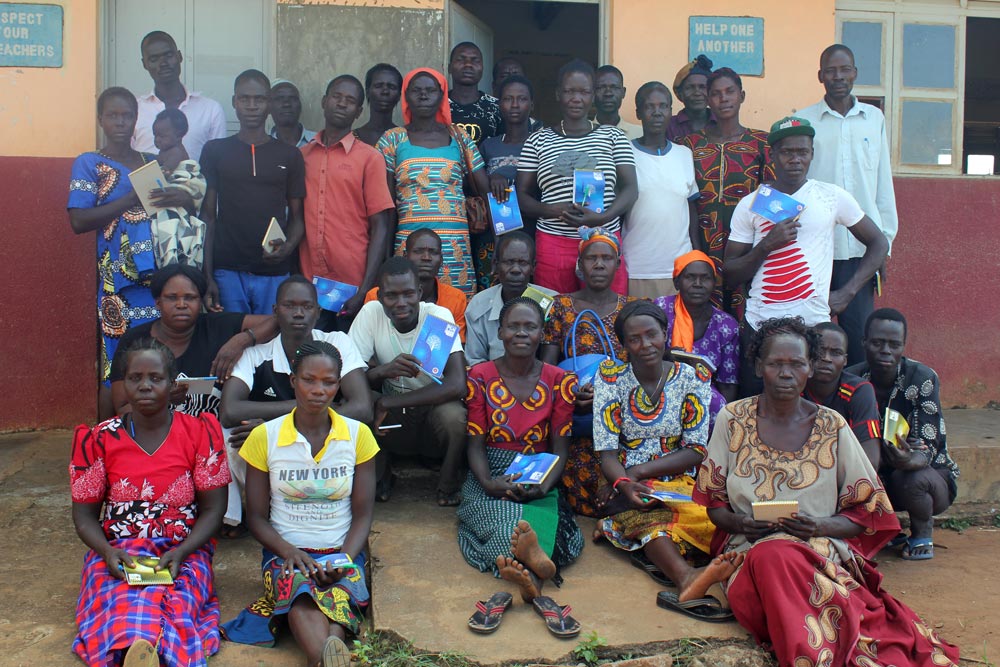
A water committee (also called a water users group) is a small team of community members who live near the water source and use it daily.
Committee members are either elected or appointed to manage and oversee the maintenance of the new water point. This can be a borehole well with a hand pump, a roundabout pump,
a solar-powered pump, or even a diesel-powered pump. Regardless of the type of pump, the water committee’s responsibilities are the same. Their job is to keep the water point
working by holding weekly or monthly meetings, collecting user fees, keeping records, holding funds safely, paying for scheduled maintenance, and covering repairs when they are needed.
Water committees are a key part of long-term sustainability. To see how they fit into our broader work with clean water and community-led maintenance, visit
How Does Clean Water Change Lives,
Well Materials and Construction, and our
Interventions pages. In many villages, water committees also coordinate with
Village Savings & Loan Associations (VSLAs) to help cover repair costs when needed.
Who’s on the Committee?
- Chairperson: leads meetings and represents the group with local leaders.
- Vice / Assistant Chair: supports the chair and steps in when needed.
- Treasurer: manages user fees and the repair fund.
- Secretary / Recorder: keeps the logbook (records collections, maintenance, and repairs).
- Pump Caretaker(s): checks the pump regularly; ensures the fence and soak pit are in good condition; reports any issues quickly.
Good practice: ensure women hold at least half the roles, and include youth and people with disabilities where possible.
Water Committee Responsibilities (At a Glance)
- Access & fairness: ensuring everyone in the community has access to safe water.
- Cleanliness & hygiene: keeping the apron swept, making sure the soak pit drains properly, and keeping the fence around the well intact so livestock stay away.
- Finance: collecting, recording, and safeguarding funds; issuing receipts; keeping a ledger that accounts for all contributions and expenses.
- Record-keeping: maintaining a logbook for funds, expenses, and contact information for committee members and trained technicians.
- Communication: clear communication between committee members and the local community.
- Safeguarding: ensuring a safe, respectful environment for women and children at the water point.
How Do User Fees Work?
- Small, predictable contributions—usually a weekly household fee or a per-container charge agreed upon by the community.
- A transparent lockbox and a receipt book; the treasurer and one other officer verify balances.
- Money is used only for spare parts, mechanic fees, tools, and cleaning supplies. It should not be used for personal use.
- Exception: If the village has a VSLA, the water committee may coordinate with it to help cover repair costs.
What About Water Quality?
- Keep the area mud-free; no washing of clothes or utensils on the apron.
- Promote handwashing and clean, covered containers; discourage open scooping.
- If the water becomes cloudy, rusty, or smells unusual, record it and call a technician.
- Arrange basic field tests (turbidity, pH, EC) if there is a potential problem.
Simple “Chain of Help”
- Caretaker notices a problem.
- Committee logs the issue and calls the local pump mechanic.
- If not resolved, contact the sub-county/district WASH office or the NGO installer.
- Share the outcome at the next community meeting.
Why Water Committees Matter
A well is only successful if it is still working next year and the year after. Water committees turn a good build into
daily service—short repair times, clean surroundings, and fair rules—so families spend less time walking and more time
in school, at work, and together.
Learn More
- DROP Interventions – see recent wells and community-led projects
- How Does Clean Water Change Lives – health, time, and education impacts
- Well Materials and Construction – why durable parts keep pumps running
- Village Savings & Loan Associations (VSLA) – how savings groups support water point upkeep
- WHO/UNICEF JMP: safely managed drinking water
- Rural Water Supply Network (RWSN)