
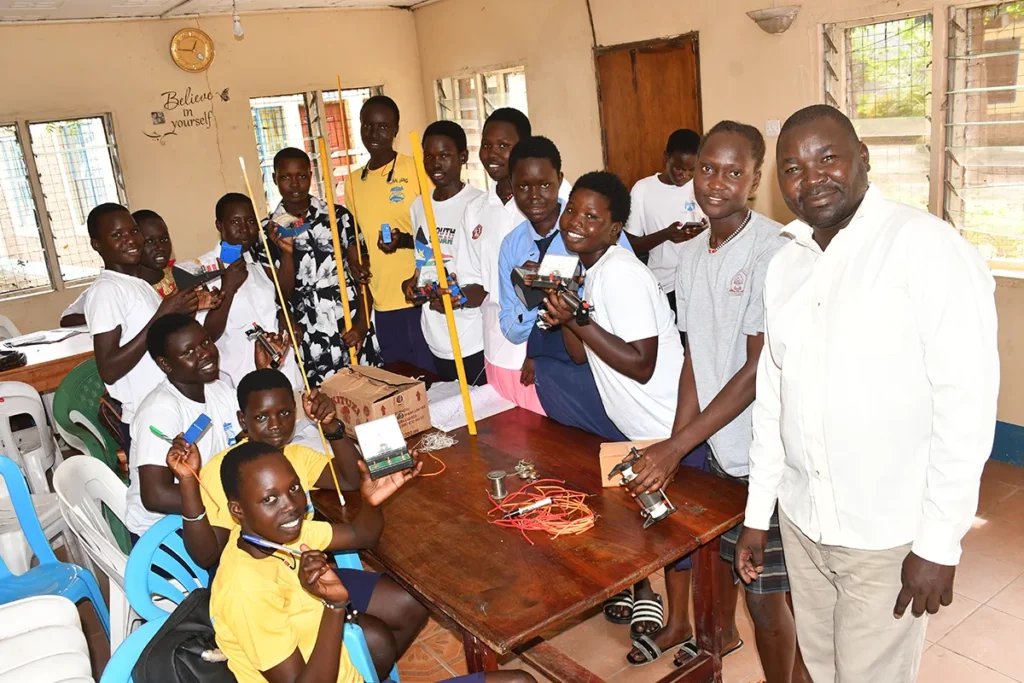
One of the things I’ve never completely understood about education in South Sudan is why some teachers keep showing up.
Teaching is an incredibly difficult job there. Salaries are extremely low and often aren’t paid on time. Many teachers aren’t on the government payroll at all and are essentially volunteers. UNICEF has estimated that more than 80 percent of teachers in South Sudan are volunteers, and low and irregular pay contributes to constant turnover.
The Conditions They’re Expected to Teach In
Then there are the conditions they’re expected to teach in.
Classrooms can be overflowing with students. There aren’t always enough desks, so children may be sitting on the floor or squeezing together on long wooden benches. Books and school supplies are limited. Sometimes even having enough chalk is an issue. In rural areas, the situation can be harder still because attracting qualified teachers who are willing to live and work in remote communities is extremely difficult.
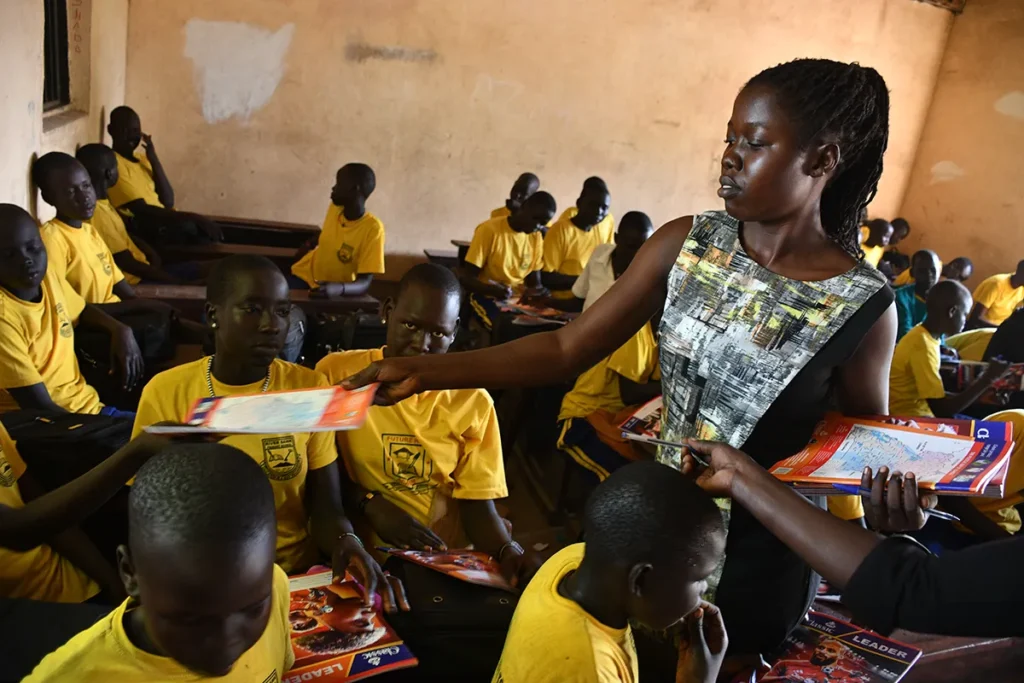
And yet, over the years, I’ve met some really great teachers.
They’re smart and engaged and genuinely care about their students. They’re the teachers I see at our Quiz getting almost as competitive as the kids. They’re the ones who know which students are struggling and which ones could be doing better. And some of them finish teaching a full day at school and then come to our Safe Spaces and teach again.
Teaching Doesn’t Always End When School Does
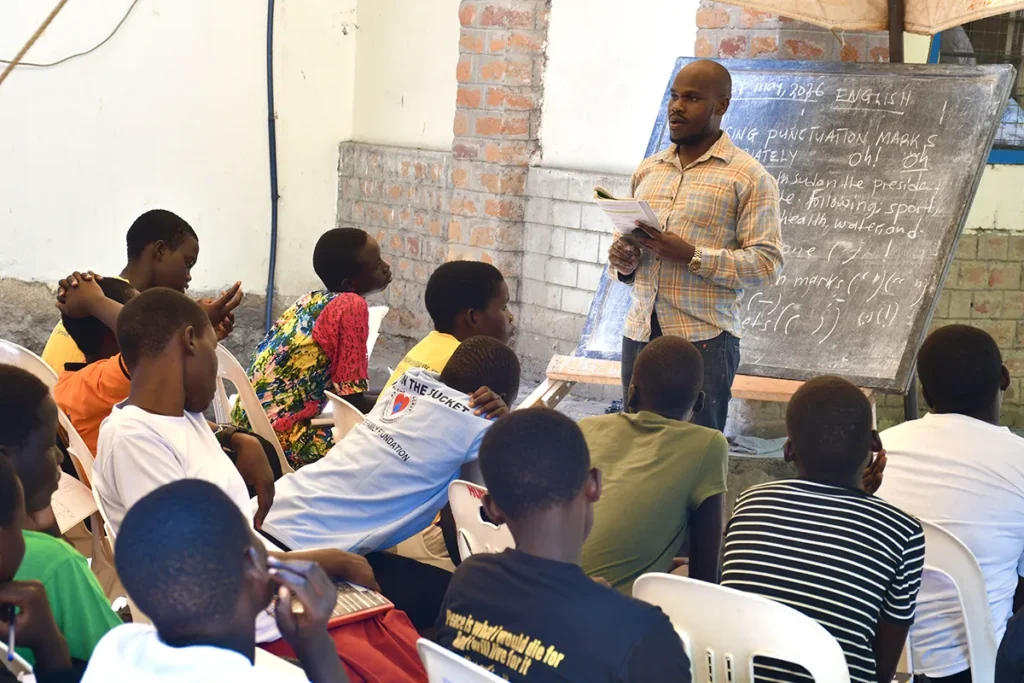
DROP hires local teachers as facilitators in our Safe Spaces because they’re exactly the people we want there. They already understand the curriculum and the schools, and they know the communities and many of the students. They provide extra help in Math and English and work alongside our mentors to identify girls who may be struggling academically or beginning to miss school.
Supporting Teachers While They Support Their Students
The additional income matters too. In an economy where teachers may be poorly paid or go long periods without receiving their salaries, a few additional hours of paid work each afternoon can make a real difference to a teacher and their family. At the same time, we’re getting experienced local professionals helping girls who need extra support. It’s one of those parts of the program that benefits everyone involved.
Good Teachers Still Need Better Conditions
I don’t want to romanticize any of this. The fact that teachers continue working under difficult conditions doesn’t make those conditions acceptable. South Sudan needs more trained teachers, better classrooms, more learning materials and, most importantly, teachers who are paid properly and reliably. When good teachers leave because they simply can’t afford to keep teaching, the students are the ones who lose.
But I do think the teachers who stay deserve more attention than they usually get.
The People Behind the Students Who Succeed
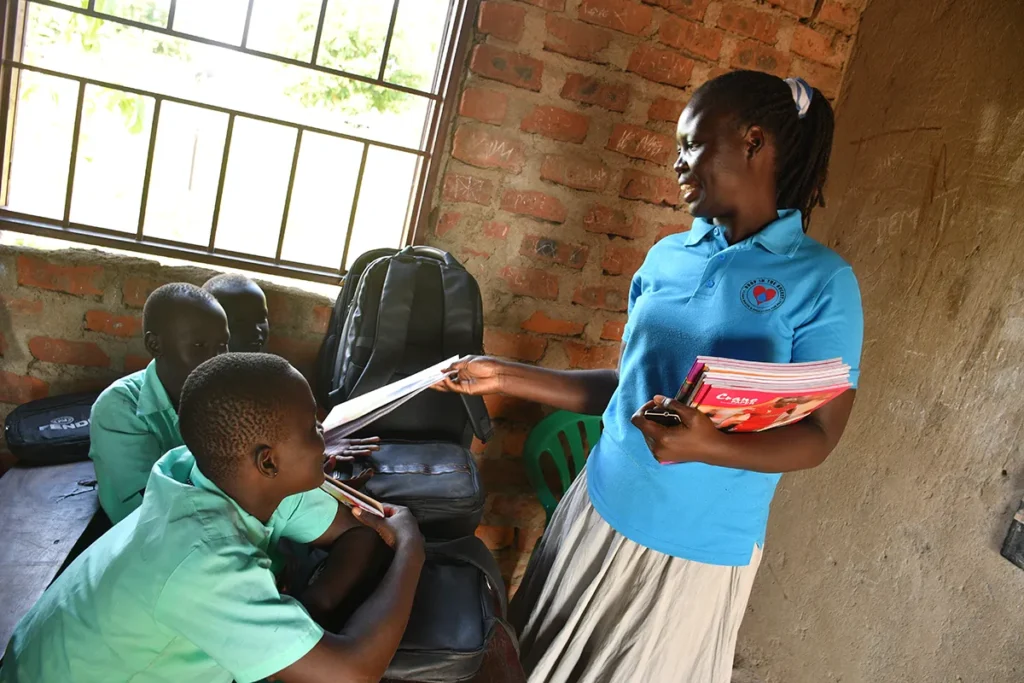
We talk a lot about scholarships and Safe Spaces and keeping girls in school. We talk about the girls who pass exams and eventually graduate. But somewhere behind every one of those girls is a teacher standing in a crowded classroom with a piece of chalk, trying to make sure she understands what comes next.
After twenty years of working around schools, I still don’t entirely know why some of them keep showing up.
I’m just very glad they do.
Stacey Travis
Director
Drop in the Bucket