At Mwendanfuko Primary School in Uganda, there is a joy of learning that is so tangible you can almost feel it as soon as you get to the school grounds. It’s there in the way children greet visitors, in the pride of the parents, and in the commitment of teachers who show up every day determined to keep education exciting and fun—no matter the challenges.
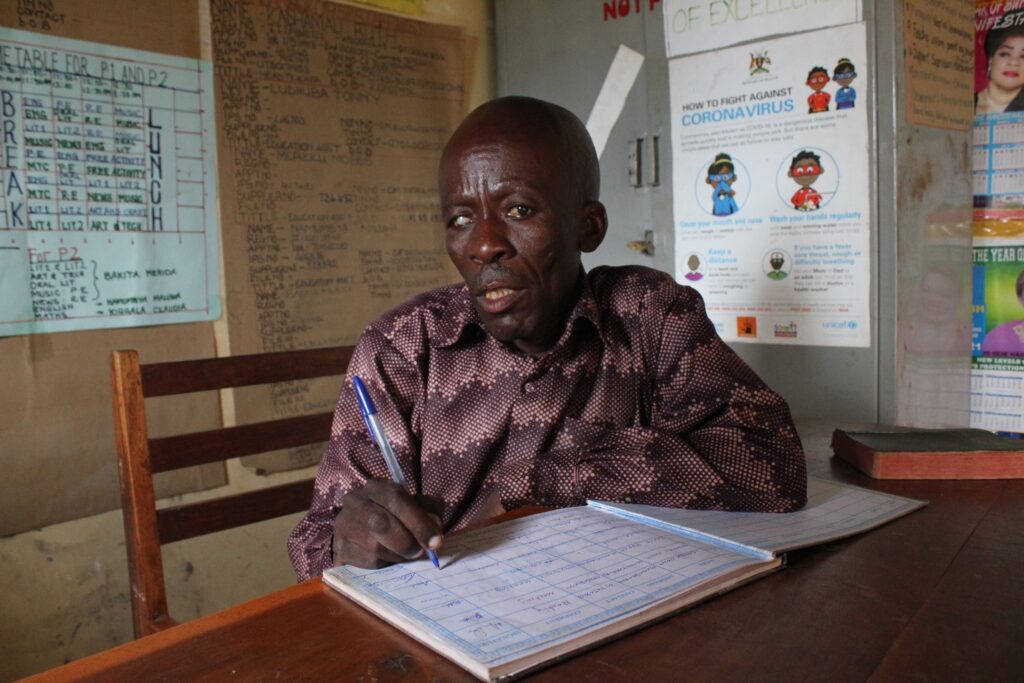
“Every child is welcome here,” says Kakubo George, the deputy head teacher. “Even those who cannot afford school uniforms.” In a country where most schools require uniforms, that is just one thing makes Mwendanfuko Primary School stand out.
Learning Without Classrooms—but Full of Determination
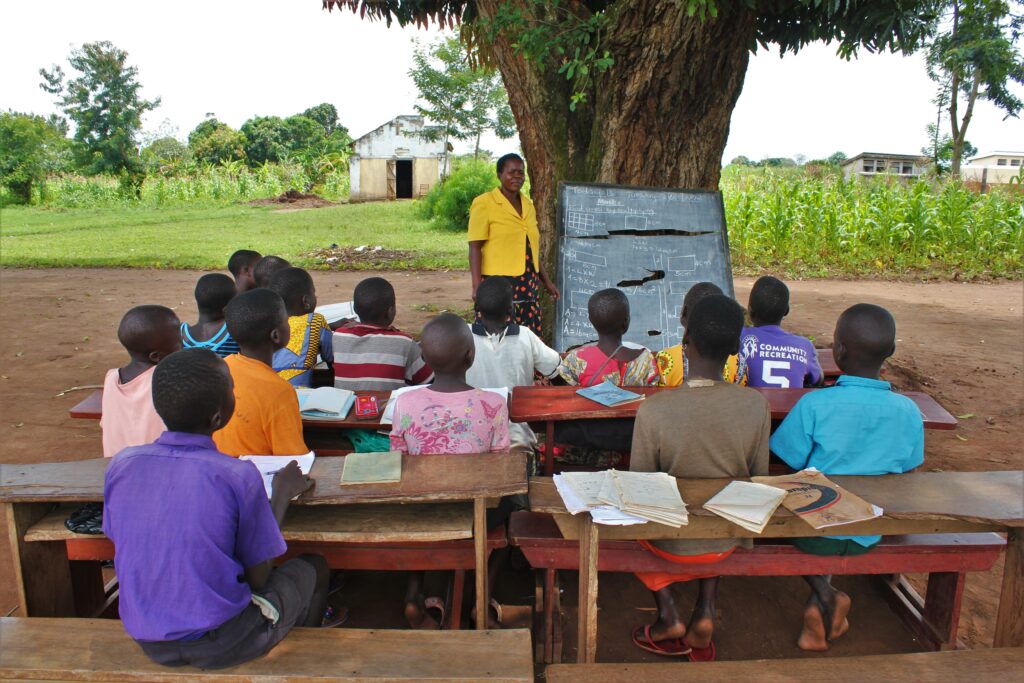
The students’ enthusiasm never dims even despite the lack of physical resources like an adequate number of classrooms. Third-year students study under trees. Sixth-year students are taught in a nearby church. Fourth- and fifth-year students share a single classroom. Yet despite these limitations, children arrive each morning eager to learn.
When the Biggest Barrier to Education Was Water
From the school’s first day open, it’s clear what the most urgent need was: access to clean water.
Each morning, students were sent to fetch water for the school. The nearest well was far away, and part of the journey required walking along a busy road.
“We were always afraid one of the children would be hit by a speeding vehicle,” Kakubo explains. “And the walk took so long that they missed lessons.”
Even when students completed the long journey, water was not guaranteed. Sometimes the well was padlocked. Other times, the well’s caretaker would ask for money before unlocking it.
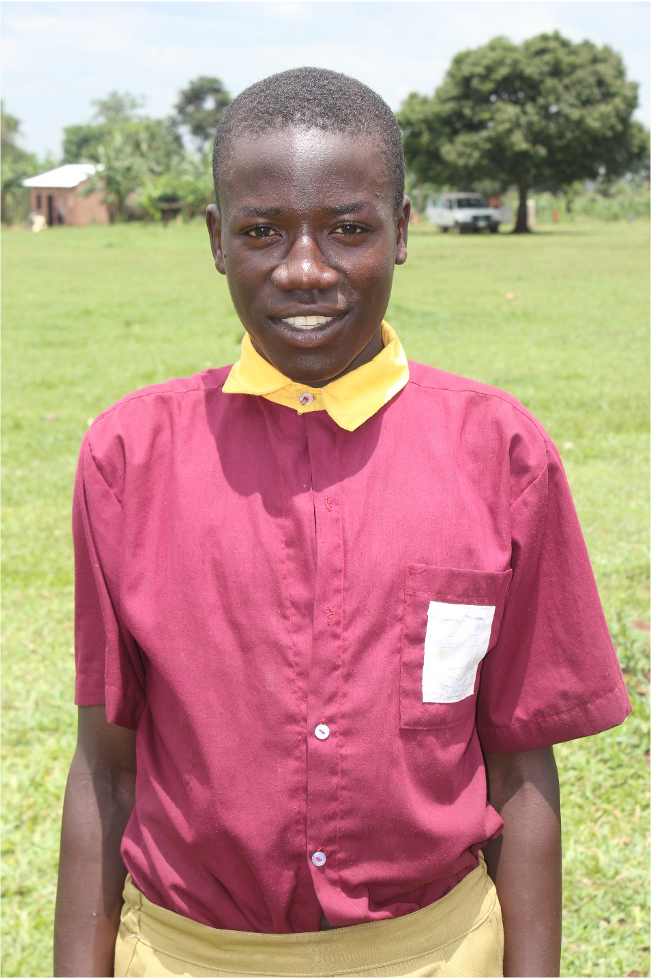
“When that happened, we came back with nothing, because we had no money to give him,” recalls Kimuli Herbert, one of the students.
Each trip to the well took time, energy, and focus away from school—something Kakubo feared could permanently affect the children’s motivation to learn. The school need its own source of clean water.
Why Clean Water at School Matters
For Mwendanfuko Primary School, water was not only about drinking. The school needed water to cook porridge, clean classrooms, and make handwashing possible. In areas where most people do not have enough food, school meals are especially important. It may make the difference between a child eating that do or going hungry.
For a time, a rainwater harvesting tank helped. After each rainy season, it provided water for several months. But when the system broke, the school had no funds to repair it. With another dry season approaching, options were running out.
Mwendanfuko Primary School – A Borehole Well That Changed Everything
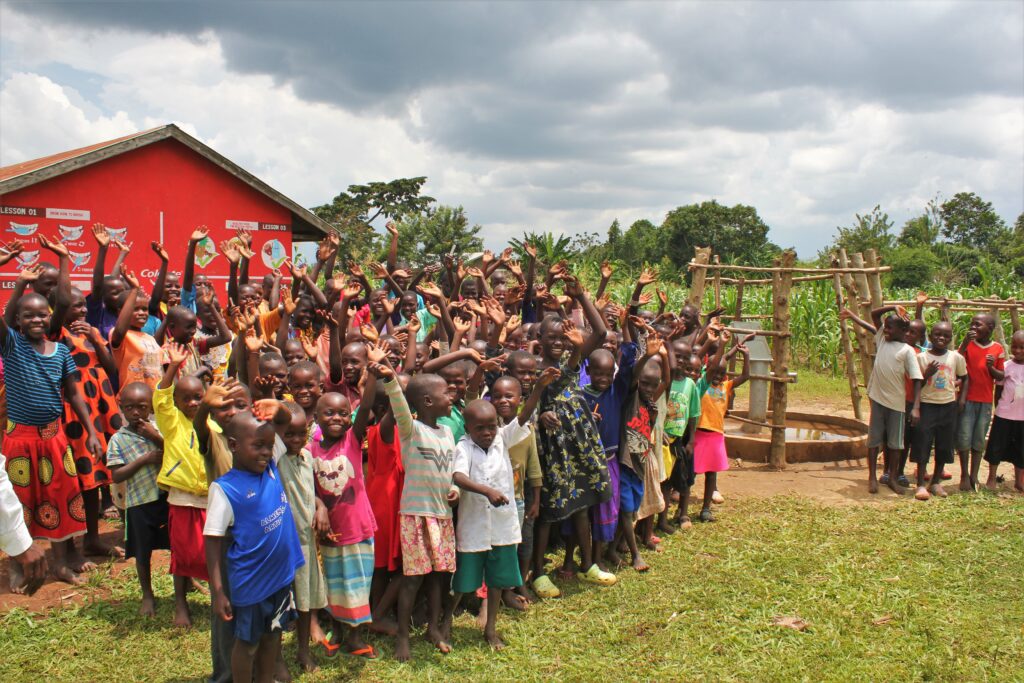
When Drop in the Bucket arrived at Mwendanfuko Primary School, the team’s hydrologist identified a site that could provide a reliable supply of clean water for the school.
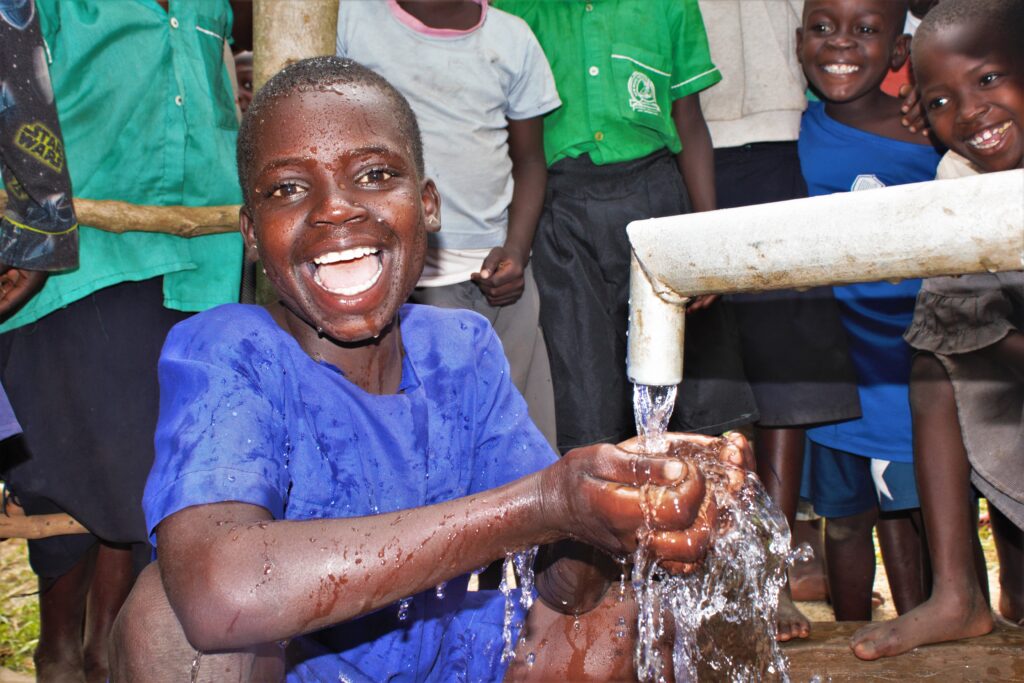
“We are so happy,” says Kakubo. “Thank you for giving us a borehole to help keep the children in school.”
For the students, the change was immediate.
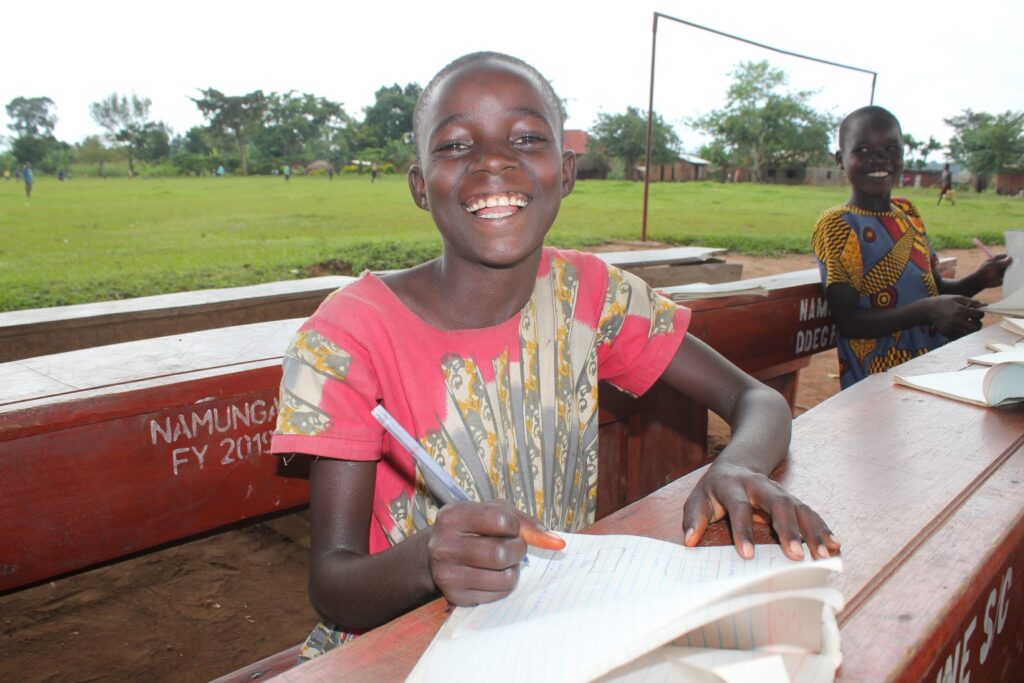
“No more walking for water and coming back tired,” says Prossy, another student who remembers being turned away from the locked well.
Clean Water Supports Health, Nutrition, and Learning
The impact of clean water extended beyond the classroom. Amina Nangobi, the school cook, felt the difference every morning.
“It was always a challenge to make porridge with no water nearby,” she explains. “Now I can do my job properly.”
With clean water available on-site, students stay in class, eat on time, wash their hands, and learn without interruption.
Keeping Children in School Starts With Water
Today, students at Mwendanfuko Primary School begin their days differently. They are present, focused, and healthy. Most importantly, they remain excited about education.
This year, the children of Mwendanfuko come to school with full hearts, full stomachs, and heads full of dreams about the future —all because clean water is now part of their daily lives.
If you’d like to learn more about how clean water changes lives or see other projects like this one, visit our Interventions page.