
India Mark II Hand Pump: How It Works and Why It's Used in Africa
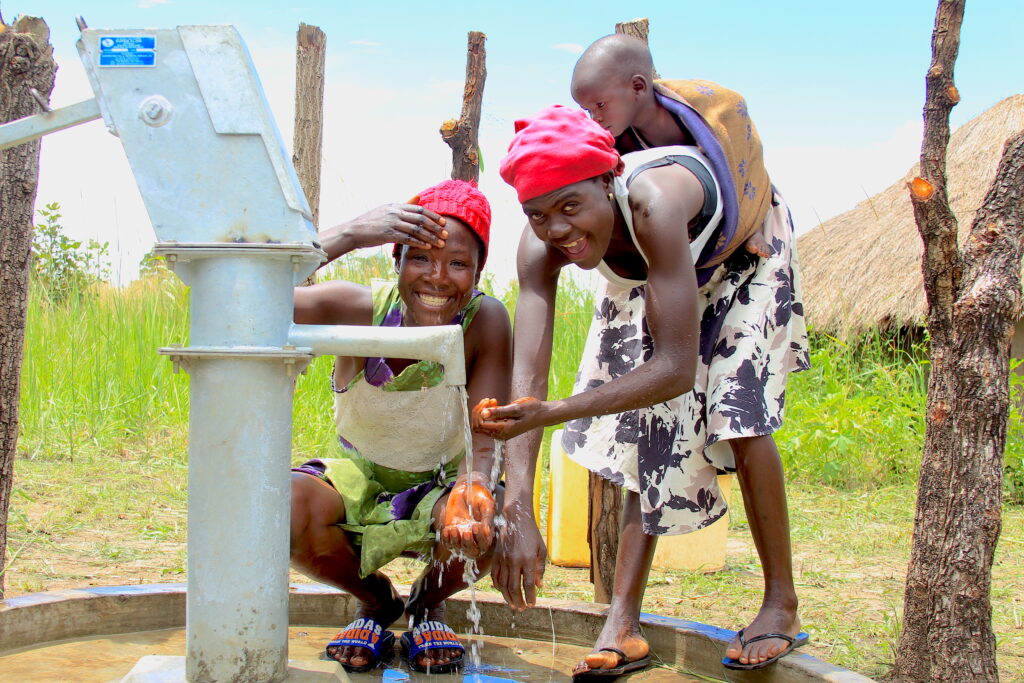
The India Mark II hand pump is one of the most widely used hand pumps in the world. Its design is simple, cost-effective, and reliable, making it particularly well suited to rural schools and villages in sub-Saharan Africa.
Another important advantage is its standardized, widely manufactured design. Pumps and replacement parts can be produced by different manufacturers, making them easier to obtain and maintain in many countries.
In Uganda, the India Mark II is a widely used standard hand pump for rural water supply. Its durability, availability of spare parts, and relatively straightforward maintenance make it a practical choice for communities that need a reliable source of clean water.
The History of the India Mark II Hand Pump
The India Mark II hand pump was developed during the 1970s as part of efforts to create a durable, affordable pump that could provide reliable water access to rural communities.
Its development involved cooperation between the Indian government, UNICEF, and manufacturers, with technical contributions associated with international efforts to improve rural water supplies.
The design built on earlier hand-pump technology, including work by Swedish engineer and inventor Oscar Carlsson.
One of the important improvements was a longer pump handle, which provides greater leverage and reduces the force required to operate the pump. This makes it easier to lift water from deep below the ground.
How Does an India Mark II Hand Pump Work?
Although the India Mark II looks relatively simple above ground, most of its working components are located deep inside the borehole.
During construction, PVC casing is installed in the drilled borehole to help support the surrounding ground and protect the well. A screened section allows groundwater to enter while limiting the amount of sand and sediment that can pass through.
The pump cylinder is attached to a series of riser pipes and lowered below the water level. Inside the pipes, a connecting rod links the handle at the surface to a plunger inside the cylinder.
The riser pipes provide the passage through which water travels upward until it reaches the pump’s spout.
What Happens When You Move the Handle?
Moving the handle up and down operates a plunger inside the pump cylinder. Two one-way valves control the movement of water.
As the plunger moves, the valves open and close in sequence, allowing groundwater to enter the cylinder and preventing it from flowing back down.
With each stroke, more water is lifted into the riser pipe. After several strokes, the water reaches the surface and begins flowing from the spout.
Once the column of water is established, continued pumping produces a steady flow. The pump operates entirely through human effort, without requiring electricity or fuel.
Why Are India Mark II Pumps Used in Rural Africa?
The India Mark II offers several advantages for rural communities, particularly in areas where electricity is unavailable or unreliable.
- No electricity required: The pump operates manually, making it suitable for off-grid communities.
- Durable construction: Its robust design is intended to withstand frequent daily use.
- Widely available parts: Standardized components make replacement parts easier to source in many regions.
- Repairable technology: Trained local mechanics can carry out many common maintenance and repair tasks.
- Affordable operation: The pump does not require fuel, batteries, or an electrical connection.
These advantages make the India Mark II a practical option for schools and communities that need a dependable water supply without the additional costs and complexity of a powered pumping system.
Why DROP Uses Stainless-Steel Riser Pipes
For many years, galvanized iron riser pipes were commonly used with India Mark II hand pumps.
Although galvanized iron is initially protected by a zinc coating, that coating can deteriorate over time. When corrosion develops, the pipes may begin to rust, affecting water quality and eventually causing the pump to fail.
Replacing corroded riser pipes can be expensive and difficult, especially in remote communities where specialized tools and replacement materials may not be readily available.
That’s why Drop in the Bucket uses stainless-steel riser pipes in our new wells. Stainless steel offers much greater resistance to corrosion, helping extend the service life of the pump system and reduce the likelihood of costly pipe replacements.
We consider this an important investment in the long-term sustainability of the wells we drill.
Maintaining an India Mark II Hand Pump
Even a well-designed hand pump requires regular maintenance.
Components such as seals, bearings, connecting rods, and valves can wear over time. Without maintenance, a relatively small mechanical problem can eventually leave an entire community without water.
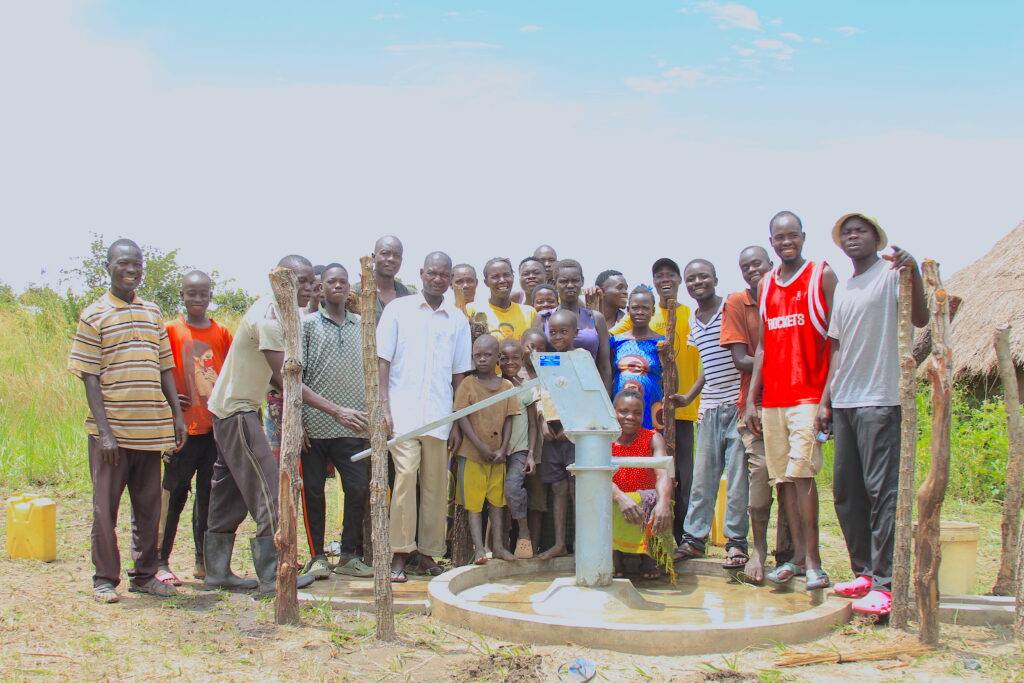
Training local mechanics is one of the most effective ways to help communities respond quickly when repairs are needed.
At DROP, we
train local hand-pump mechanics
and work with
water management committees
to help communities plan for maintenance and repairs.
A Simple Technology That Makes a Lasting Difference
The India Mark II hand pump may not look particularly sophisticated, but its straightforward design has helped provide water to rural communities for decades.
When installed on a properly constructed borehole and supported by trained local mechanics, it can provide years of reliable service.
For communities that previously depended on distant streams or unsafe water sources, the familiar sight of an India Mark II pump can represent something much greater: better health, more time for education, and new opportunities for the future.